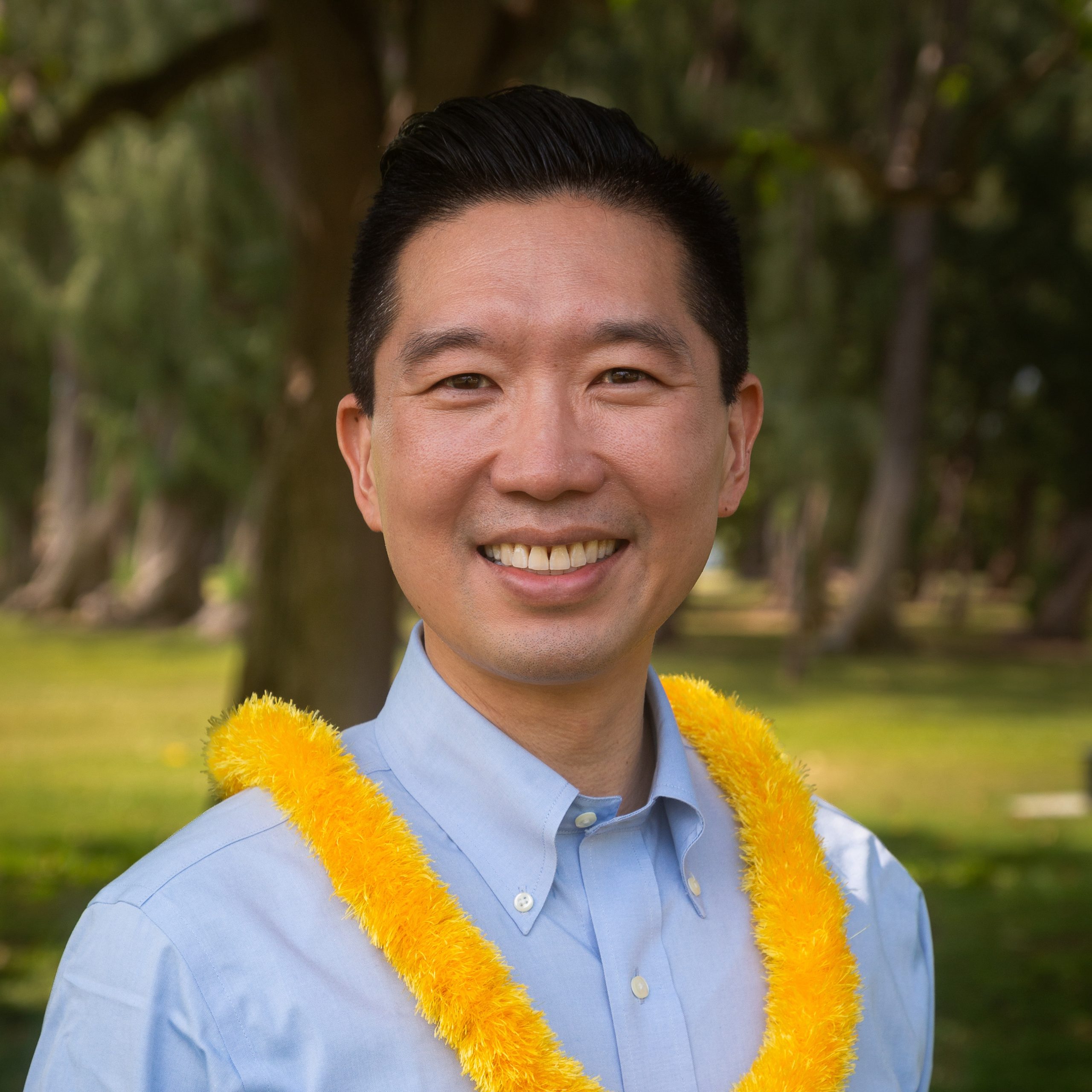
David A. Croswell
Office: Senate District 9
Party: Republican

My family experiences Hawaiʻi’s high cost of living much like families across the state. My wife and I are raising three children in East Honolulu, and even with steady work, careful budgeting, and the benefit of living in her family’s generational home, groceries, electricity, insurance, transportation, healthcare, and our mortgage continue to consume more of our income.
As a small business owner, I also see how high rents, shipping costs, taxes, fees, and regulations raise prices, reduce hiring, and force some businesses to close.
Affordability is not an abstract issue. It determines whether families can remain together, whether young people can build a future here, and whether local businesses can survive. Hawaiʻi should not become a place where only the wealthy or heavily subsidized can afford to stay.
We must give working families and young professionals real reasons to believe they can build a future here. That starts with lowering housing costs, reducing unnecessary taxes and fees, and removing barriers that make everyday life more expensive.
Economic opportunity matters just as much. Local businesses need a better environment to grow, hire, invest, and raise wages. We should also strengthen career and technical education, apprenticeships, and partnerships between schools and employers so young people have clearer pathways to stable careers.
Government must also earn back public confidence by controlling spending, measuring results, and holding programs accountable for whether they actually improve people’s lives. Optimism will return when families see that Hawaiʻi is becoming more affordable, opportunity is expanding, and government is delivering better results with the resources it already has.
Hawaiʻi cannot solve its affordability crisis through subsidies alone. We must reduce the policies and costs that discourage investment, limit competition, and make it harder to build, operate a business, and hire workers.
I will support regulatory reform, faster permitting, firm deadlines for government decisions, targeted tax relief on necessities, and a lower general excise tax burden on small businesses. We must also strengthen pathways into well-paying careers through apprenticeships, career and technical education, and partnerships between schools and employers. Workforce programs should be measured by job placement, wage growth, and actual industry needs.
Higher wages will come from a more productive, competitive economy where businesses can start, grow, and succeed.
The State must better connect education and training to actual workforce demand. Schools should place greater emphasis on core academics, communication, critical thinking, reliability, teamwork, and practical skills that prepare students to become productive, contributing members of their communities. We should expand career and technical education, apprenticeships, internships, and employer partnerships beginning in high school, especially in fields where Hawaiʻi faces persistent shortages.
Students also need honest information about education/program costs, expected earnings, local job openings, and alternatives to a four-year degree before taking on substantial educational debt. Workforce programs should be measured by job placement, wage growth, and retention. Hawaiʻi must also make it easier to start and grow businesses so training leads to real opportunities and careers that allow our keiki to remain here.
Lowering housing costs requires increasing supply while reducing the time, uncertainty, and expense of building. The government should reduce permitting delays, modernize restrictive zoning, address infrastructure constraints, and remove regulations that add cost without a clear public benefit. State land can support targeted housing projects where the location, infrastructure, total public cost, and benefits to residents make financial sense, but it should complement rather than replace a functioning private housing market.
We should also support responsible infill, accessory dwelling units, and a wider range of housing types where infrastructure can support them.
Local families struggle to compete for housing because prices have risen far beyond what many local incomes can support. We need to address both sides of that problem by increasing housing supply and improving overall affordability. That means reducing permitting delays, modernizing zoning, expanding infrastructure, lowering unnecessary construction costs, and reducing the broader tax and cost burden on working families.
We should also discourage illegal vacation rentals, prolonged vacancy, and short-term speculation that remove homes from resident use while protecting legitimate long-term rentals and family-owned property. Housing on public land or receiving tax credits or subsidies should include clear owner-occupancy, anti-flipping, and resale requirements.
The State’s primary role should be to make it faster and more feasible for private builders, property owners, and nonprofits to provide the homes local working families need.
I support streamlining approval for projects that meet established zoning, building, safety, and environmental standards. Lengthy delays, changing requirements, and inadequate infrastructure raise costs and discourage smaller builders. State and county government should focus on predictable permitting, appropriate zoning, and the regional infrastructure needed to support growth.
We should also allow responsible infill, accessory dwelling units, townhomes, and smaller multifamily projects where infrastructure can support them. Direct public involvement may be appropriate where there is a clear need, but the priority should be removing barriers that prevent the broader housing market from responding to demand.
We must address both the taxes government adds and the structural costs of bringing food to Hawaiʻi. I support targeted general excise tax relief for essential groceries. This burden falls hardest on working families and kupuna living on fixed incomes. Any exemption should be clearly defined, easy for businesses to administer, and structured so savings actually reach consumers.
The State should also review rules, fees, permitting delays, and regulatory costs that raise expenses for farmers, grocers, distributors, restaurants, and small food producers.
Assistance remains necessary for families in immediate need, but it should not replace efforts to lower the underlying cost of living. The goal should be to let families keep more of their income and make food easier and less expensive to produce and distribute.
Early childcare is labor-intensive, especially for infants, yet many childcare workers earn too little to comfortably live in Hawaiʻi. We need to improve provider economics without simply passing higher costs on to parents.
I support reviewing licensing, zoning, facility, and administrative requirements for unnecessary duplication or delays while maintaining strong health, safety, supervision, and background-check standards. We should also improve agency coordination, support flexible training pathways, and make it easier for responsible home-based, community, and employer-supported providers to operate or expand.
Targeted assistance can help families afford care, but it should be paired with efforts to expand supply. Lowering Hawaiʻi’s broader cost of living would also help providers and families and give more parents the option to remain home with young children if they choose.
I would reduce the general excise tax burden on essential goods and services, beginning with groceries and other basic necessities. Unlike a traditional sales tax charged only at the final sale, Hawaiʻi’s GET can be applied repeatedly as products and services move from one business to another. Those added costs are built into the final price families pay.
Targeted relief for food, medicine, childcare, and housing-related expenses would allow working households to keep more of their income. Of course, any reform must be simple to administer and paired with spending discipline so tax relief is not replaced by new fees elsewhere.
Hawaiʻi is difficult for businesses because nearly every operating cost is high, including rent, energy, shipping, insurance, labor, taxes, and regulatory compliance. These costs are compounded by slow approvals, complicated permitting, and poorly coordinated state and county processes, which can be especially burdensome for small businesses.
I would improve conditions by reducing unnecessary regulatory and tax burdens, simplifying government processes, improving coordination between agencies, and holding government accountable for timely, consistent decisions. I support recent efforts to streamline and coordinate permitting where they preserve legitimate health, safety, and environmental protections. A healthier business climate means stronger local businesses, better jobs, and greater economic opportunity.
I support clear fiscal notes for major legislation so the public understands expected costs and long-term obligations before passage. Budgets, contracts, grants, audits, and performance data should be easy to access and understand. I also support stronger open-meeting and public-record requirements, limits on last-minute amendments and overly broad bills, and meaningful time for residents to review proposals and testify.
Government programs should have measurable goals and be regularly reviewed. Ineffective, redundant, or unauditable programs should be corrected or ended rather than automatically receiving continued funding. Trust must be earned through transparency, measurable results, responsible use of taxpayer money, and real consequences for waste, fraud, conflicts of interest, and repeated failure.