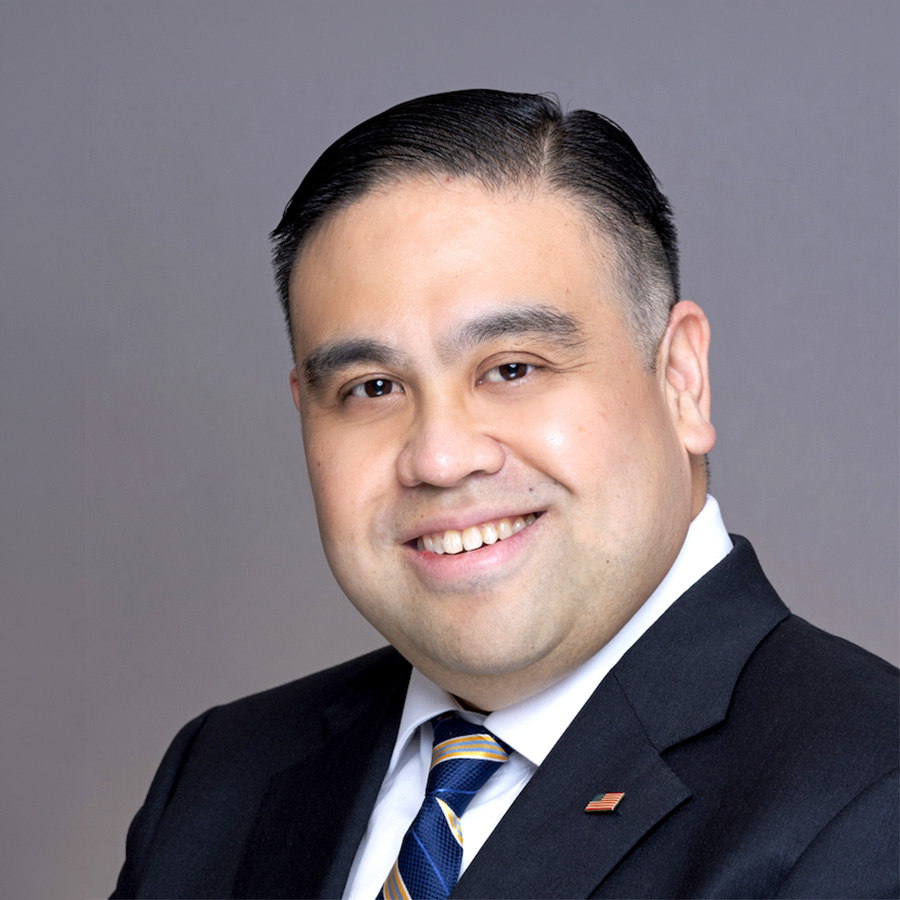
I'm fortunate to continue living in Hawaiʻi, but it's not by chance. At the beginning of every year, my partner and I sit down and map out our one, three, and five year plans. We look at our income, expenses, future goals, and the sacrifices we're willing to make to continue building a life here. For me, that has meant working multiple jobs, carefully managing our finances, and hoping unexpected expenses don't derail our plans. Every year, we ask ourselves the same question: can we continue building our future in Hawaiʻi? I don't think our story is unique. It's the reality for many local families who work hard, make responsible decisions, and still wonder whether they can afford to stay in the place they call home.
We have to be honest with people. Building a life in Hawaiʻi isn't easy, and it takes hard work, planning, and sacrifice. But hard work should create opportunity. Too many local families are doing everything right and still struggle to get ahead. We can restore optimism by investing in our working families and young professionals through stronger workforce development, apprenticeships, and education pathways that lead to good-paying careers. If we create more opportunities to earn higher incomes, more local families will be able to build their future here instead of looking elsewhere.
We need to invest more in workforce development programs that prepare local residents for good-paying careers. That means strengthening career pathways through education, apprenticeships, and industry partnerships so local talent is ready to fill the jobs being created. At the same time, we must work with industry leaders to grow sectors that provide long-term economic opportunity. Tourism will continue to be a cornerstone of Hawaiʻi's economy, and we should continue investing in its success while also pursuing opportunities in industries such as healthcare, technology, renewable energy, and the skilled trades.
We need to stop treating workforce development as something that begins after graduation. Students should be exposed to career opportunities much earlier through career exploration, internships, apprenticeships, dual-credit programs, and stronger partnerships between schools, higher education, and employers. When education and industry work together, students graduate with a clearer path into careers that provide long-term financial stability. At the same time, we must continue attracting and growing industries that create enough living wage jobs so our young people can build their future in Hawaiʻi rather than feeling they have to leave.
Lowering housing costs starts with reducing the cost of building homes. The state should remove unnecessary red tape, invest in the infrastructure needed to support new communities, and encourage smart development that increases housing inventory where it makes sense. We also need a balanced mix of housing options, including long-term rentals, workforce housing, and homeownership opportunities, so people have affordable choices throughout every stage of life. Every unnecessary delay adds cost, and those costs are ultimately passed on to renters and homebuyers. By making it more efficient and predictable to build housing, we can reduce costs, increase supply, and help more local families build their future in Hawaiʻi.
A home should first be a place to live, not just an investment. Our housing policies should prioritize the people who live and work in Hawaiʻi. For housing developed with public support, I believe we should prioritize local working families through workforce housing programs, owner-occupancy requirements where appropriate, and incentives that encourage long-term residency. We should continue looking for practical ways to put local families first when it comes to housing.
The state cannot solve our housing shortage alone. We need stronger coordination between state agencies, counties, developers, and community stakeholders to move projects forward more efficiently. That means removing unnecessary red tape, rezoning where appropriate, investing in infrastructure before communities are built, and encouraging thoughtful vertical development in areas that can support it. We cannot afford years of unnecessary delays while local families continue to be priced out of Hawaiʻi.
There isn't a single policy that will suddenly make groceries affordable, but we can take meaningful steps to reduce costs over time. Investing in local agriculture and strengthening Hawaiʻi's food security can reduce our dependence on imported goods while making our communities more resilient. At the same time, we need to continue creating opportunities for local families to earn higher incomes so the cost of everyday necessities is more manageable.
Affordable childcare is one of the best investments we can make in Hawaiʻi's future. When parents can't afford childcare, it affects their ability to work, grow their careers, and support their families. I support exploring expanded access to affordable early childhood education, including universal Pre-K, while ensuring it is implemented responsibly and sustainably. We should also continue supporting childcare providers, expanding capacity, and finding ways to reduce costs for working families.
Taxes are one piece of the affordability puzzle, but they aren't the whole picture. Any change to Hawaiʻi's tax system should make a meaningful difference in the lives of local working families while allowing the state to continue investing in the services people depend on. Before supporting any specific tax proposal, I would want to understand its long-term impact, who benefits most, and whether it truly helps more local families build a future in Hawaiʻi.
Local businesses face many of the same affordability challenges as local families. High operating costs, workforce shortages, housing costs, and lengthy permitting processes all make it harder to succeed. Government can't solve every challenge, but it can become a better partner. We should make permitting more predictable, invest in workforce development, and continue building the infrastructure and housing our growing communities need. When local businesses succeed, they create jobs, strengthen our economy, and keep more opportunity here in Hawaiʻi.
Public trust is earned through transparency, accountability, and consistently delivering results for the people we serve. I support making government more accessible by improving public access to information, communicating more openly about the decisions we make, and creating opportunities for meaningful community input before decisions are made. We should also continue strengthening oversight and ensuring agencies have the tools they need to operate efficiently and responsibly. At the end of the day, trust isn't restored by one law or one policy. It's earned over time by listening, following through, and demonstrating that government works in the best interest of the people.
Related Candidates

Wayne Kaiwi
House District 39,No Response Received
Republican
Corey Rosenlee
House District 39,No Response Received
Democrat