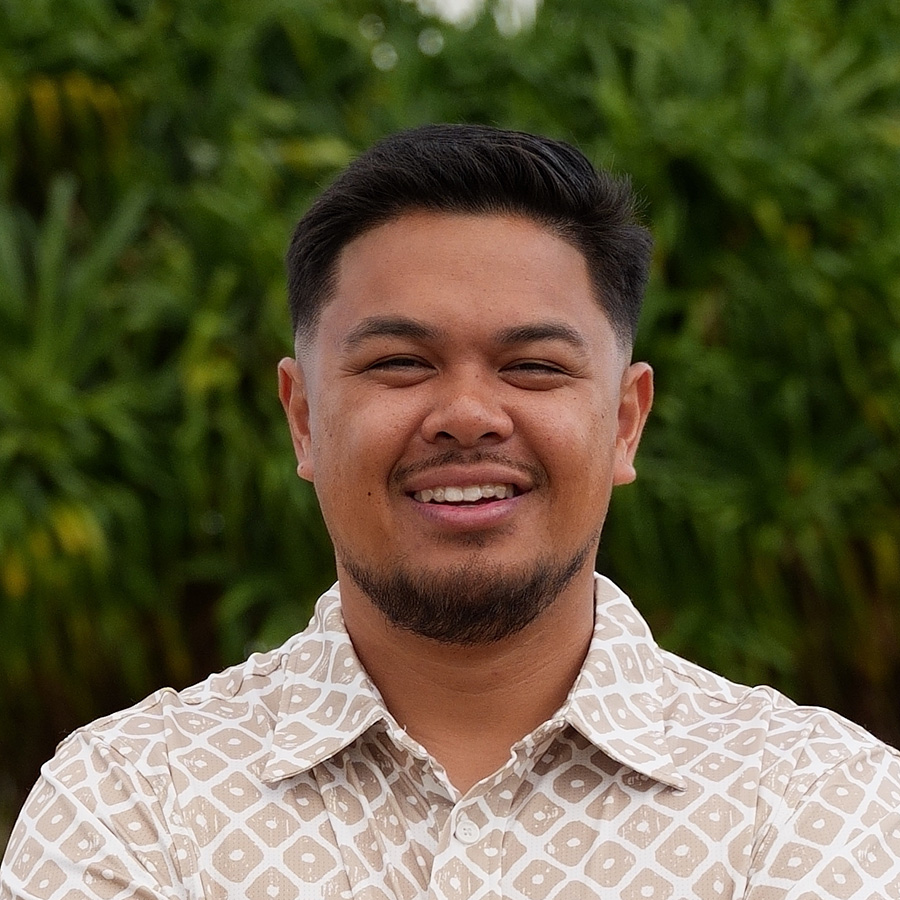
Danny Degracia
Office: House District 39
Party: Republican
I have had to work multiple jobs to make ends meet and I find that many times I am faced with unexpected bills that may result from a health crisis, random weather event, or other inconvenience and it can impact my quality of life instantly. It is very difficult to save money for the future while making ends meet in Hawaiʻi and supporting loved ones.
Please read my June 9, 2025 Civil Beat Essay, “The Case For Young People To Stay In Hawaiʻi” as I discuss this matter in detail there. I believe that first and foremost we have to encourage young people to believe that their identity is tied to the past, present, and especially, the future of Hawaiʻi. Losing people to the Mainland isn’t just losing population, it’s losing the heart and soul of what makes Hawaiʻi, Hawaiʻi. I believe that we need to work on removing roadblocks to the success of local small businesses, empowering people with common sense regulations that don’t jack up compliance costs, and keeping taxes and fees to a minimum, especially with the General Excise Tax on food and medicine. Beyond that we need to find ways to enable wealth creation by locals so that they can project financial independence and authority over the Mainland and international Asia-Pacific region, rather than being subject to the purchasing power of outsiders.
I think that there is a level of structural/institutional/regulatory violence that holds back locals and creates a palace economy where only large corporations can pay the compliance costs of doing business in our Aloha State, the best example of this is the interisland shipping monopoly. We also see this in healthcare. When we allow competition to offer alternatives, prices will go down and small businesses can provide employment opportunities for locals. I will support common sense regulations over palace economy regulations. In addition to this, I will advocate finding ways to streamline housing construction. Pacific Resource Partnership recently released a report that indicated nonsensical regulations added $132,000 to the cost of a new home’s price. I would seek to remedy that. I also think that we need to create better farm-to-school coordination in the Department of Education so that local agriculture can feed our school children and empower local farmers. Last but not least, I think that we need to get a permanent Jones Act exemption to make it more competitive for not just people to live here, but for businesses to do business here.
This is something that I personally experienced when I graduated with my first master’s degree in 2002 and moved back to Hawaiʻi. I had difficulty finding a job fresh out of graduate school and I had to do seasonal work at places like Macy’s and part-time jobs at countless other places. I spent many years intermittently unemployed or under-employed in my 20s and it was only because of my family helping me that I was able to make it. That was then; things are so much worse now. Many employers have a “Goldilocks” hiring mindset, and worse yet, other employers due to corporate downsizing, the rise of AI, and other factors, will expect a smaller pool of individuals to do more for less pay. This is an absolute recipe for disaster. I think that during high school and college the State could help train young people through workforce development programs where one could take a class, for example, and be assigned 250 hours of real-world practicum work at a State agency and that could be counted upon graduation as constructive credit towards being hired at an entry-level State or County position, but this is still not enough. The world is changing rapidly and many employers just do not have the positions to support the number of young people graduating. This is a complex matter and I think it needs to be discussed and studied and collaborated on by many interest holders and community members before settling on a policy.
Only a very small percentage of the land in Hawaiʻi is zoned for residential housing. This creates an immediate structural problem where scarcity defines our market. It’s possible that not all land is properly zoned for the right purpose and that we can increase the amount of land where houses can be built. This will fix part of the problem. The other part is the cost that’s passed on to developers by the government expecting them to install the infrastructure in housing developments, which they in turn pass on to home buyers. I think government needs to step up and do its part in building the infrastructure to support housing, whether its streetlights, sewage systems, or playgrounds. Last but not least is the issue of regulations. How many of them are adding unnecessarily to the price? PRP estimates that 26% of the cost of a house is due to red tape. If we can trim the red tape, we can make homes more affordable.
The first and most immediate solution is to put more purchasing power in the hands of locals. At the end of WWII, the Philippines, Singapore, South Korea, and Japan were all devastated by the destruction caused by war, but by the 1980s, all of these countries except for the Philippines were booming in their economies. Why? Because all of them engaged in land reform, putting power in the hands of their locals rather than outsiders. The Philippines to this day struggles because outsiders control it rather than their people. We need land reform in Hawaiʻi or else we will never get out from under this problem. We have to approach this in a way that favors individuals over large corporations, and also one that is congruent with the Constitution of the United States of America. I’ve heard many proposals that don’t address the full scope of this problem and are not constitutional. I want to proceed in a cohesive, comprehensive and discerning way in reforming land issues in Hawaiʻi.
I believe that whatever we make and insist must be a priority becomes what we can solve. The simple answer to this is that the next legislature and whoever we elect – including me – simply need to sit down and have the political willpower to do something about it. President John F. Kennedy famously said, "Our problems are manmade, therefore, they can be solved by man."
Over 33,000 children in Hawaiʻi live in poverty, and 79,000 children have parents who lack secure employment according to the Annie E. Case Foundation and the Hawaiʻi Children’s Action Network’s recently published data. We have to get General Excise Tax exemptions on food so that food can be cheaper to produce and purchase. We also need to work on strengthening local agriculture with farm-to-school programs. Last but not least I think that the U.S. military should help partially subsidize food for vulnerable, at-risk populations in Hawaiʻi through the use of commissaries.
We need to make full use of Temporary Assistance to Needy Families (TANF) to directly put money in the hands of families that need it most. That would immediately serve as a stop-gap for the most vulnerable. Approaching the issue of childcare and education costs is extremely complex and that we need to study more closely and bring together our Keiki Caucus and other interest holders to discuss more thoroughly to develop omnibus legislation to address this. As a Department of Health program specialist in the Chronic Disease Prevention and Health Promotion Division, I will say our Healthy Hawaiʻi Strategic Plan 2030 (HHSP) best practices, strategies, and objectives seek to address many of these concerns from a multi-sectorial, multi-domain approach, and I would fully support these to help alleviate the problem.
In my personal opinion, we have far too heavy taxes on people who don’t have the income to support it. People who make less than $250,000 a year in my opinion should pay no income taxes at all.
This is a complex problem, but immediately what stands out to me is that our state has a heavy regulatory framework that raises the compliance costs for small businesses making it difficult for local businesses to compete against large multinational corporations who have the power to comply. This creates artificial scarcity and monopolies. We need to make regulations fair and common sense so that they don’t put small business owners out of business just trying to keep their heads above water.
The first step to reform is only electing legislators of the highest moral and ethical standards and bearing. My personal motto is “I will not lie, cheat, or steal, or tolerate those among us who do.” We have to enforce the highest standards by shaming and punishing those who break the trust of the public. Period. I also believe that we just need a new generation of people who can inspire others to understand the proven value structure of God, Duty, Honor, and Country. When we have people who internalize being the best of the best, everything else will follow. When it comes to representing our people, there are no points for second place.
Related Candidates

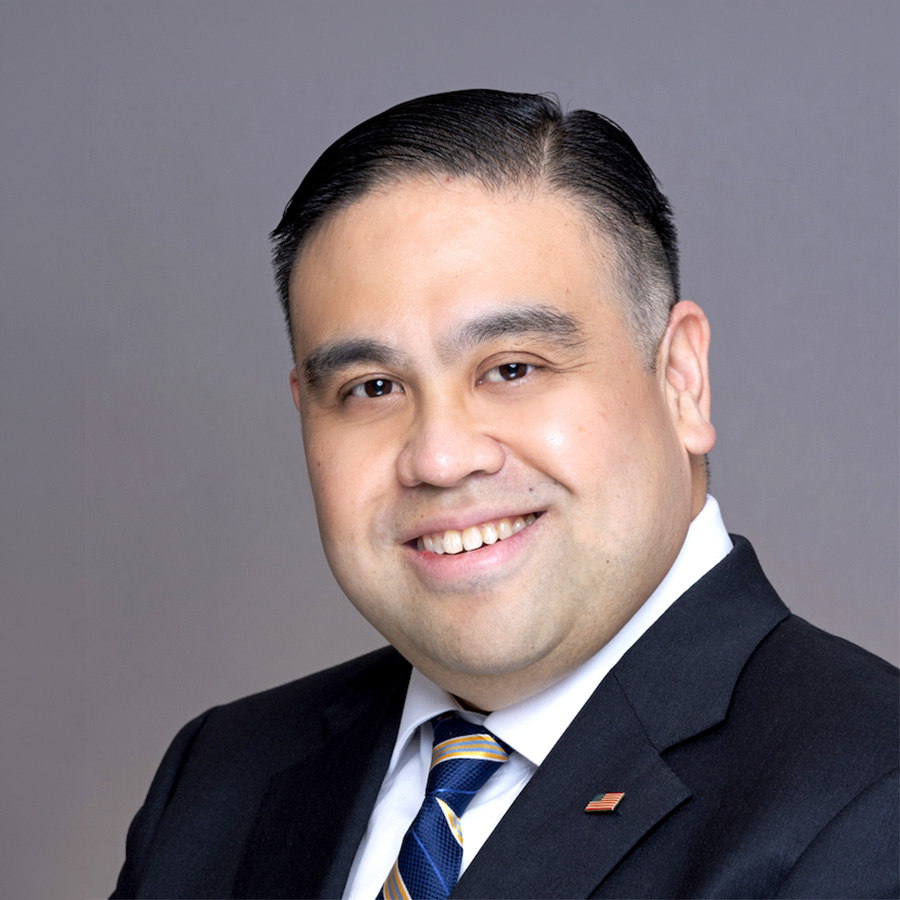
Wayne Kaiwi
House District 39,No Response Received
Republican
Corey Rosenlee
House District 39,No Response Received
Democrat