Tanya Yamanaka Aynessazian
Office: Senate District 2
Party: Democrat
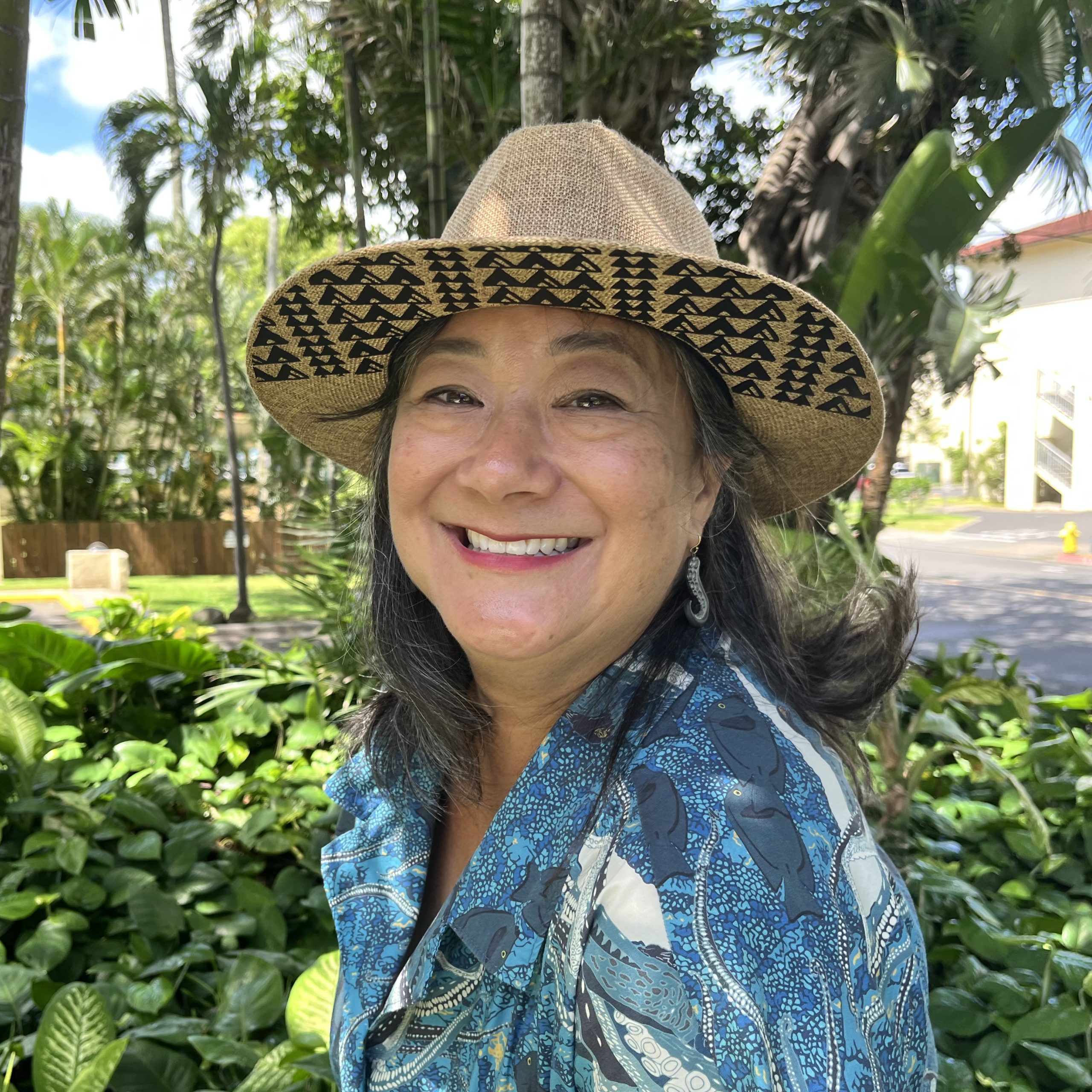
I made a choice to work and volunteer for nonprofits and chose to make less money doing meaningful work. One of us stayed home because we wanted one of us to be able to be with or pick up the kids, and paying for childcare would have minimized the second income. We moved more than once chasing rent in Puna we could afford. We made it work without two cars sometimes — which in a place built around driving means every errand, every workday, every after school practice becomes a puzzle of timing and favors. There were a few times we had to choose between putting gas in the tank to get to work and paying the electricity bill, which gets you behind, but you can’t choose both when the math doesn’t math. I see the costs of food, gas and electricity today and wonder how working families are making it. Most of my older friends who are on social security are barely making it, are working to supplement or also on SNAP. We are in an unsustainable economic system that is designed for us as consumers rather than human beings here to learn, work and grow, as well as enjoy the short time we have with each other on such a beautiful planet.
We restore optimism by sustained investing in a diversified economy rooted in care for others, caregivers, the land and environment; in the arts and culture, and the creative economy; and in the reduce and reuse shift from convenience; and lessening dependence on the extractive tourism-and-military model that has never actually served local families or the life of the land. Listen to the <40 year olds and help their entrepreneurial spirit and see what/how they want systems to change.
UHERO is right that Hawaiʻi’s challenge isn’t just the high cost of living—it’s also the lack of opportunity to earn enough to build a secure future. I believe one of the root causes is that our economy has become too dependent on federal spending, particularly military construction and other short-term capital projects. While those projects create jobs, they are often temporary and do not build lasting, locally owned wealth. They also contribute to inflationary pressures in housing, labor, and infrastructure by competing for limited land, materials, and skilled workers.
We need to rebalance our economy by investing in sectors that create long-term prosperity. I will champion policies that expand local agriculture, renewable energy, technology, value-added manufacturing, and ocean innovation while supporting Hawaiʻi-owned small businesses and entrepreneurs. We should prioritize procurement from local businesses, strengthen workforce development, and invest in education and apprenticeships that prepare residents for high-paying careers.
I also believe we must address the structural drivers of our high cost of living. That includes reducing land speculation, expanding permanently affordable housing through community land trusts, investing in infrastructure that lowers household costs, and ensuring tax policy rewards productive investment instead of speculative investment. We need also to invest in our <40 entrepreneurs so that they hold more agency over their futures, including their time. There appears to be a movement here that is yet unrecognized with infrastructure from informal mentorship to cooperative and new collaborative business models to meet our caregiving, healthcare, educational and food infrastructure needs.
We won’t close a 70,000-job gap by training more people for jobs that don’t exist. We close it by creating jobs that don’t exist yet — rooted in entrepreneurship, caregivers and agriculture, in the basic act of feeding and caring for each other. Right now, caregivers either quit work to care for family, or they do both. Either way, they’re usually not paid or paid below what they’re worth or for not as many hours necessary per week. We need more workers in our local food supply and distribution sector, and entrepreneurs to meet needs we haven’t foreseen. The volunteer economy could be unsustainable also; many conservation, Kupuna, animal rescue, sports coaching and training, leadership training, emotional intelligence training, and other non profit volunteers are paid zero for incredible work that benefits us all.
Housing should first and foremost be a place for local families to live—not a vehicle for extracting wealth from Hawaiʻi.
I support expanding community land trusts, limited-equity housing developments, and a Hawaiʻi sovereign wealth fund dedicated to permanently affordable housing. These models keep homes more affordable for future generations by limiting speculation while still allowing families to build stability. Instead of public investments creating windfalls for private investors, they create lasting community assets.
I also support reforming the conveyance tax on high-value real estate transactions and using those revenues, along with other measures that ensure those benefiting the most from Hawaiʻi’s real estate market contribute fairly, to capitalize these long-term housing solutions.
Today, too much wealth leaves Hawaiʻi through rising land values and home sales that increasingly benefit nonresident investors. We need policies that keep land and housing serving the people who live and work here.
We should discourage speculative ownership by institutional investors and absentee buyers while giving working families a better opportunity to purchase homes. Every home purchased solely for speculation or left vacant reduces the supply available to local residents and puts upward pressure on prices. Public policy should ensure that public investments create lasting housing opportunities for Hawaiʻi’s people, not long-term profits for outside investors.
First and foremost, get the 11000+ Hawaiians on the DHHL list onto properties and lower the blood quantum requirement. I cannot speak for other counties but for lava zones 1 and 2 in Puna, we. can do reduce requirements for permitting; we are requiring homes to be build to California standards which increases costs, permitting and approvals.
We can do that by lowering the cost of getting food to market: investing in local agriculture, food hubs, cold storage, and distribution systems; streamlining permits for grocery stores, farmers markets, and community kitchens in underserved areas; and using public procurement to buy more Hawaiʻi-grown food for schools, hospitals, and state facilities. We should also expand SNAP access, school meals, and food rescue programs, while supporting cooperative and nonprofit grocery models that keep prices down and profits local. Over time, reducing our dependence on imported food and strengthening local supply chains will make groceries more affordable for families across the islands.
I think this is a multi pronged answer. Some parents might want a parent to stay home longer before returning to the workforce, or not return for an extended period of time. Our economy demands two+ incomes to balance a family budget and we need to find ways to honor parents of all income levels to invest their time in raising their children. This is the most important job we have as mothers and fathers, grandparents and aunties and uncles. So it’s also a question of how can we pivot from mandatory childcare to making it possible for a parent to stay home with their young children. Are there ways to look at this problem spherically from all sides so we aren’t fixing the problem of childcare only from the perspective of third party childcare givers? Can we pay grandparents or family members to stay home with kids? As an ohana based culture, I know we can find additional opportunities to have better outcomes, especially for the next generation of babies who shouldn’t only be looked at as needing taken care of so we can all keep working!
For those parents who so want to or have to work, we need to look at creating caregiver infrastructure: education, trainings, respite and support for caregiver of both keiki and kupuna as well as increasing wages for this “industry” and moving away from primarily volunteers to ensure the best care is given at the earliest and latest stages of our lives.
If I could change one aspect of Hawaiʻi’s tax system to improve affordability for local working families, I would reform how we tax wealth generated from real estate speculation and investment. That means strengthening the conveyance tax on high-value real estate transactions, closing loopholes that allow large Real Estate Investment Trusts (REITs) and institutional investors to drive up housing costs, and ensuring that billionaires and those benefiting from substantial capital gains contribute a fairer share. The revenue should not disappear into the general fund. It should be dedicated to long-term investments that build wealth for Hawaiʻi’s people, including community land trusts that permanently preserve affordable housing and a Hawaiʻi sovereign wealth fund that invests in future generations. These tools help keep homes affordable, reduce speculation, and create assets that benefit residents instead of outside investors.
Hawaiʻi’s business climate is squeezed from every direction by the cost of doing business here, which is really the cost of living compounded across a whole supply chain.
I support a package of reforms built on transparency, enforcement, and follow-through:
Get money out of elections.
Shift the legislative session and extend it with a six week break after crossover so legislators come home and present the bills to their constituents.
100% publicly financed elections with caps on expenditures per capita and required budgets.
Stronger ethics bills and enforcement; we need real teeth for the State Ethics Commission, not just advisory opinions.
House rule reform; end the practice of bills dying quietly in committee without a hearing or public vote.
End bills that are introduced and directly compete with each other, which divide communities, and move to have legislators work together to determine specifics prior to introduction. Isn’t that a point of being exempt from Sunshine? To work together?
Constitutional compliance — the Legislature should follow Article III §12 open-meetings requirements, not claim exemption from them (this is the core of the recent Acasio v House of Representatives ruling I was a plaintiff in, which the First Circuit Court affirmed in May)
Mandatory bribery/corruption reporting; clear reporting requirements for legislators and staff, with real consequences for non-compliance.
Legislator accountability tracking; introduce a public bill recap system so every introduced bill’s outcome is visible, plus impact reviews at 3, 5, and 10 years to see whether laws actually delivered what they promised (some end up headlines only). That’s the difference between good intentions and real accountability — voters deserve to know not just what a bill was supposed to do, but what it actually did years later.
Related Candidates

Joy San Buenaventura
No Response Received,Senate District 2
Democrat