Markus Owens
Office: Senate District 20
Party: Democrat
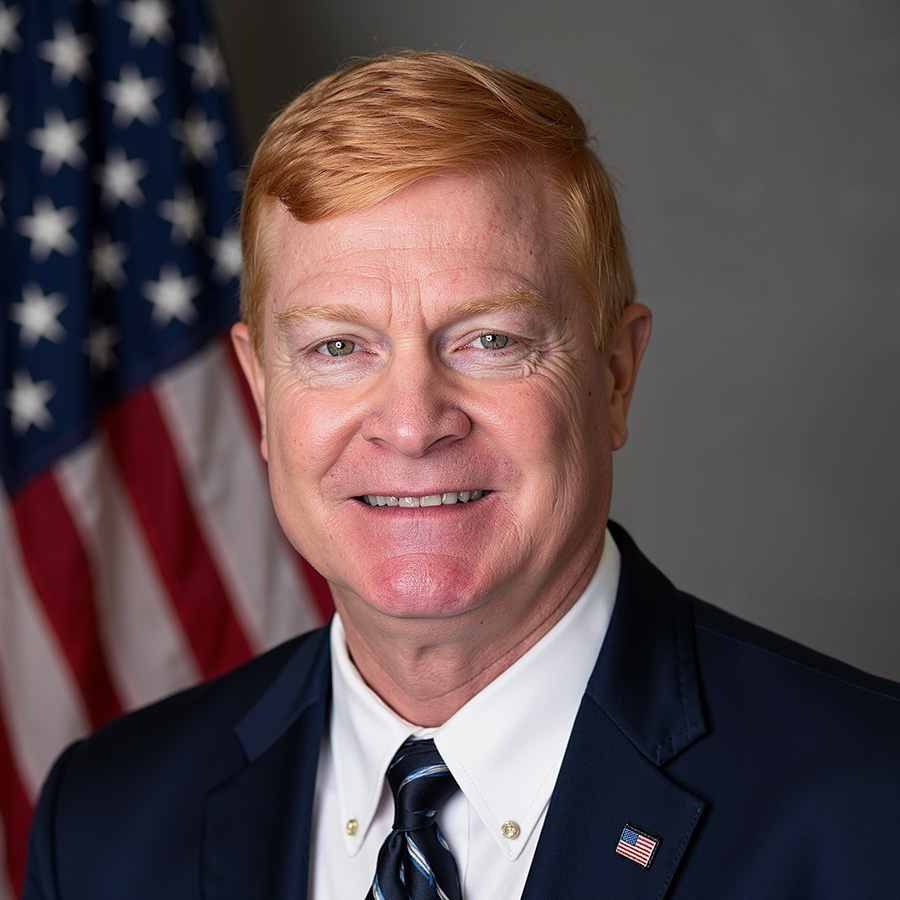
Like so many families in District 20, my wife and I have experienced the rising cost of housing, groceries, utilities, insurance, and everyday necessities. After more than three decades in public service, I've seen hardworking local families earning good incomes still struggle to get ahead. That's why I'm running—to focus on practical solutions that lower costs, strengthen our economy, and help local families build a future here in Hawaiʻi.
We must make Hawaiʻi a place where working families can afford to build a life, not just visit. That means increasing workforce housing, creating higher-paying jobs by diversifying our economy beyond tourism, reducing the cost of doing business, and investing in education and workforce development. If we restore affordability and opportunity, our young people and local families will once again see Hawaiʻi as a place where they can live, work, and thrive.
We need to grow an economy that creates higher-paying careers, not just more low-wage jobs. I will support policies that diversify Hawaiʻi's economy through technology, agriculture, renewable energy, defense, and small business growth while reducing unnecessary regulations that discourage investment. By expanding economic opportunity and strengthening workforce development, we can raise wages and give local families a real reason to build their future here.
We must better align education and workforce training with the jobs Hawaiʻi needs today and tomorrow. I will support stronger partnerships between schools, community colleges, universities, unions, and employers while expanding apprenticeships and career technical education. At the same time, we must grow industries that provide living-wage careers so our young people can build successful futures without leaving Hawaiʻi.
We need to increase the supply of housing local families can actually afford by streamlining permitting, reducing unnecessary regulations, and encouraging workforce and affordable housing development. I support expanding infrastructure (water, sewer, etc.) where appropriate and partnering with the private sector to build homes faster without sacrificing smart planning or environmental stewardship. Housing should be attainable for the people who live and work in Hawaiʻi, not just those who can afford the highest prices.
I support prioritizing Hawaiʻi residents by ensuring housing is first and foremost reserved for local working families and long-term community members. One approach is to limit out-of-state and speculative buyers to no more than 5% of annual residential purchases, while strengthening preference systems for local buyers, first-time homebuyers, and workforce housing programs. By putting residents at the front of the line, we can help keep homes in our communities and within reach for the people who live and work here.
We need to treat housing as an urgent infrastructure priority, not a slow-moving process. I will push to streamline permitting timelines, reduce unnecessary regulatory delays, and better coordinate state and county agencies so projects move from planning to construction faster. At the same time, we should prioritize workforce and affordable housing developments so local families are not left waiting while demand continues to outpace supply.
Reducing grocery costs starts with reducing Hawaiʻi’s dependence on imported food by strengthening local agriculture, expanding food production, and supporting farmers and ranchers across the state. We should also invest in food distribution infrastructure and streamline supply chains so goods move more efficiently between islands and into communities. At the same time, easing broader cost pressures—like energy and transportation costs—will help bring everyday prices down for working families.
We should approach childcare affordability the same way we are seeing successful efforts nationally—by expanding public-private partnerships, increasing direct subsidies and tax relief for working families, and investing in the early childhood workforce so providers can operate sustainably without passing excessive costs onto parents. In Hawaiʻi specifically, we can also expand state-supported pre-K, increase capacity in underserved areas, and streamline licensing and regulatory processes to help open more childcare slots faster. Making childcare more affordable is essential to keeping parents in the workforce and strengthening our economy long-term.
One meaningful change I would support is expanding and increasing the state’s refundable Earned Income Tax Credit (EITC) for working families. This directly puts money back into the hands of low- and moderate-income households who are most impacted by Hawaiʻi’s high cost of living, without discouraging work. Strengthening the EITC helps offset rising costs for housing, food, childcare, and transportation while supporting families who are doing everything right but still struggling to get ahead.
Hawaiʻi is often seen as a difficult place to do business because of high operating costs, complex permitting and regulatory processes, and an overall cost structure that makes it challenging for small and local businesses to grow and hire. Many entrepreneurs also struggle with long timelines and uncertainty when trying to launch or expand.
To improve conditions, I would streamline permitting and licensing across state and county agencies, reduce unnecessary regulatory delays, and support targeted tax relief and incentives for local small businesses. By lowering barriers and improving predictability, we can help local businesses succeed and create more good-paying jobs here in Hawaiʻi.
A major reason for low public confidence is the perception that government decisions are too often made without clear accountability, measurable outcomes, or transparency in how tax dollars are spent. When residents can’t easily see results—or understand how and why decisions are made—trust naturally erodes.
I would support reforms that increase fiscal transparency, require clear performance metrics for major programs, and improve public access to budgeting and procurement data so taxpayers can see where money is going and what it is delivering.
Related Candidates

Rida Cabanilla Arakawa
No Response Received,Senate District 20
Republican
Kurt Fevella
No Response Received,Senate District 20
Republican
Bob McDermott
No Response Received,Senate District 20
Republican