Kirstin Kahaloa
Office: House District 6
Party: Democrat
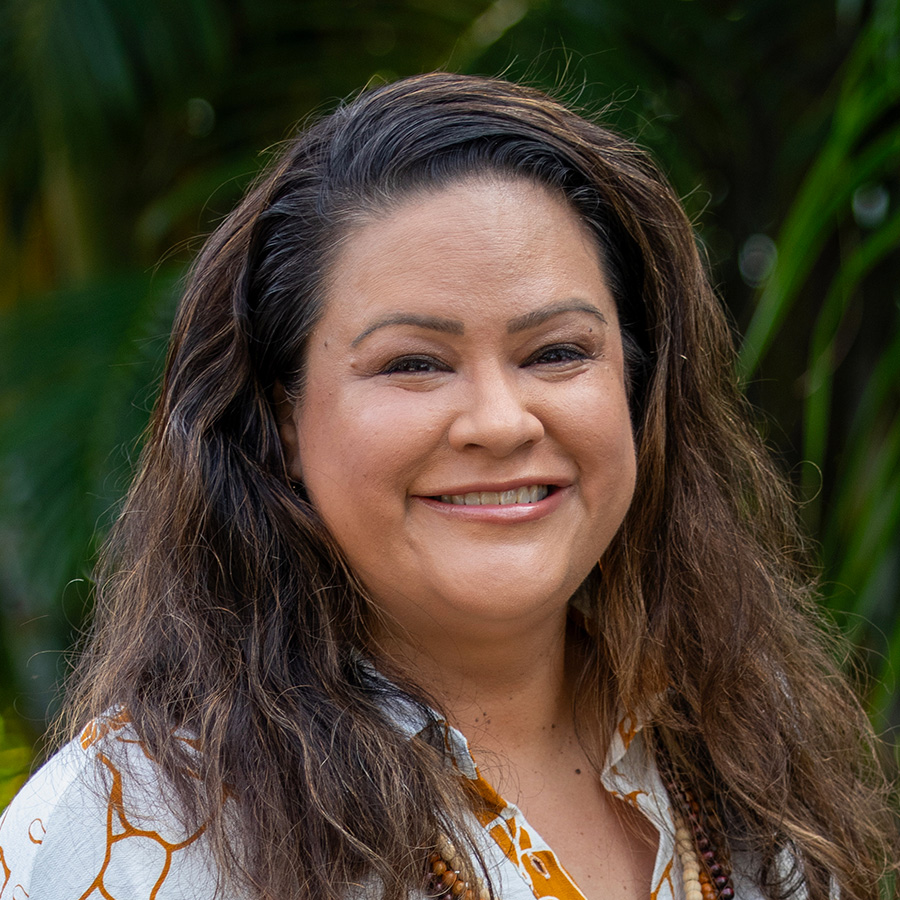
Like many local families, I've experienced firsthand how expensive it is to live in Hawaiʻi. After graduating from college, I questioned whether I could afford to move back home, but my heart was always here, and I wanted to build my life in the community that raised me. Today, my family lives in a multigenerational household, reflecting both our local values and the reality that many families rely on one another to make life in Hawaiʻi more affordable. As a working mother, I understand the challenge of balancing childcare, groceries, housing, healthcare, and the rising cost of everyday life. Those experiences have shaped my priorities in the Legislature. I've focused on improving access to healthcare, strengthening food security, and growing a stronger local economy by supporting entrepreneurship, innovation, and good-paying jobs. My goal is to help build a Hawaiʻi where our children and grandchildren can afford to live, work, raise their families, and pursue their dreams right here at home.
Many local residents leave or are considering leaving Hawaiʻi because they can no longer afford to stay, or because they seek greater economic opportunity, and according to the 2020 Census, approximately 55% of Native Hawaiians now live outside of Hawaiʻi.
This issue is deeply personal to me. As a Native Hawaiian, I almost didn't move back home after graduating from college because I wasn't sure I could afford to build a life here. I chose to come home because these islands are my only home, and I believe Native Hawaiians should have the opportunity not just to remain here, but to thrive here. At the same time, I want every family who calls Hawaiʻi home to have the opportunity to build a successful future here.
We restore optimism by creating opportunity. That means increasing housing, expanding access to healthcare, supporting entrepreneurs and small businesses, strengthening agriculture and food security, and growing innovative industries that create good-paying careers. As we build Hawaiʻi's future, we must also mālama our ʻāina and wai, recognizing that the health of our lands and waters is inseparable from the health of our people, our communities, and our economy. We have a kuleana to protect and restore the places that make Hawaiʻi unlike anywhere else in the world, so that seven generations from now, our keiki will inherit a homeland that is just as vibrant, healthy, and abundant as the one we cherish today.
My vision is to help build a Hawaiʻi where Native Hawaiians can thrive in their homeland, where local families can afford to stay and succeed, and where future generations inherit both opportunity and a healthy, thriving Hawaiʻi.
I believe we must focus both on reducing the cost of living while creating greater economic opportunity. We cannot simply manage Hawaiʻi's economic challenges. We must build an economy that provides family-sustaining careers, creates opportunities to build wealth, and gives local families confidence that they can build their future here at home.
As the representative for a rural neighbor island district, I believe every island should have the opportunity to build on its own unique strengths. We need to invest in the industries that make Hawaiʻi more self-sufficient while creating good-paying jobs in our own communities. That includes supporting local agriculture and food manufacturing, expanding healthcare, investing in water infrastructure to unlock housing and economic development, supporting entrepreneurs and small businesses, and advancing innovation in areas like the blue economy, clean energy, value-added manufacturing, and technology. By empowering each island to grow its own economy, we can create opportunities closer to home and strengthen Hawaiʻi as a whole.
Success should not be measured by economic growth alone, but by whether local families can afford to own a home, raise a family, build a business, and thrive in Hawaiʻi. That's the future I'm committed to building.
Many employers report difficulty finding qualified workers, while many residents struggle to access career pathways that provide long-term financial stability. It is estimated that in the next decade, 170,000 keiki will enter the workforce, but only 100,000 living wage jobs will be available for them.
Workforce development cannot happen in a vacuum. We can train people for jobs, but if those jobs don't exist, or don't pay a living wage, we will continue losing our young people to the continent.
We need a stronger partnership between education, workforce development, and economic development. That means aligning K-12 schools, the University of Hawaiʻi, community colleges, apprenticeships, and industry so students have clear pathways into meaningful careers. We also need to invest in the industries that will create the jobs of tomorrow.
As the representative for a rural neighbor island district, I believe every island should have the opportunity to build on its own unique strengths. On Hawaiʻi Island, that means continuing to grow agriculture, food manufacturing, healthcare, the blue economy, clean energy, technology, and value-added industries that create family-sustaining careers. We should also continue supporting entrepreneurs and small businesses, because they are the backbone of our local economy and often create the next generation of jobs.
Success should be measured by whether our young people can find meaningful careers, earn a living wage, and choose to build their futures here in Hawaiʻi. That is the workforce, and the economy, we should be building.
Housing is the biggest affordability challenge for Hawaiʻi residents, and we need to make it easier for local families to afford a home.
One of my priorities has been investing in the infrastructure that makes housing possible. On Hawaiʻi Island, that means expanding water capacity, because without reliable water infrastructure, no additional homes can be built in Kona. We also need to streamline permitting, support workforce and affordable housing, encourage a greater diversity of housing types, and strengthen state-county partnerships to remove barriers to construction.
We must also fulfill our commitment to Native Hawaiian housing. Accelerating homestead development through the Department of Hawaiian Home Lands will help more Native Hawaiian families achieve homeownership, strengthen communities, and ease pressure on Hawaiʻi's broader housing market. We should also create pathways to homeownership for Native Hawaiians who do not qualify for DHHL through first-time homebuyer assistance and down payment programs that reduce barriers, including eliminating private mortgage insurance whenever possible.
We should embrace innovation by creating space for factory-built housing, along with alternative building materials, to lower costs and speed construction while supporting Hawaiʻi's skilled union workforce. My goal is to build more homes, faster and more affordably, while protecting our ʻāina and creating communities where local families can put down roots and thrive.
Housing should first and foremost serve the people who live, work, and raise their families in Hawaiʻi. While there is no single solution, we should prioritize policies that expand homeownership opportunities for local residents and discourage speculative investment that drives up prices without contributing to our communities.
That means continuing to explore policies that prioritize owner-occupancy, support resident homebuyers, and discourage homes from sitting vacant or being treated solely as investment assets. We should also expand programs that help first-time homebuyers with down payments, increase access to affordable financing, and strengthen pathways to homeownership for Native Hawaiians through DHHL and for those who do not qualify for DHHL.
Ultimately, we must also increase housing supply. By working with the counties to build more homes for local families, investing in infrastructure like water, streamlining permitting, and embracing innovative construction methods, we can create a housing market that works for Hawaiʻi's people. My priority will always be ensuring that local families have the opportunity to put down roots and build their future here at home.
We have passed a number of important housing laws over the past several years, but passing legislation is only the first step. My commitment is to continue supporting policies that increase housing for local working families, and to make sure those laws are implemented as intended.
I will continue working with our counties so that state housing laws translate into real homes on the ground. When the Legislature creates tools to accelerate housing, those tools should be used to build housing for local families, not be delayed by unnecessary barriers or redirected toward projects that don't address our workforce housing needs.
I also believe we need greater accountability. We should measure success not by how many housing bills we pass, but by how many local families are actually able to buy a home, rent an affordable apartment, or remain in the communities they call home.
Reducing grocery costs starts with producing more of our food here in Hawaiʻi. Because we import so much of what we eat, local families pay higher prices driven by shipping costs, supply chain disruptions, and inflation. Strengthening local agriculture is one of the best long-term strategies to improve food security, support local farmers, and help stabilize food costs.
That's why I have championed policies that expand local food production and strengthen Hawaiʻi's food system. Over the past two years, we invested in the Farm to Families program, helping local families access fresh, Hawaiʻi-grown food while creating new markets for our farmers and ranchers. I've also worked to strengthen farm-to-school programs, improve procurement of Hawaiʻi-grown products, and support food manufacturing so more of the food we grow is processed and sold here at home.
Affordability isn't just about lowering grocery prices, it's about making Hawaiʻi more self-sufficient. The more food we grow, process, and purchase locally, the stronger our local economy becomes, the more resilient our communities are, and the less vulnerable families are to rising costs. Food security is economic security.
My goal is to build a Hawaiʻi where every family has access to healthy, affordable food, our farmers can earn a good living, and more of our food dollars stay in our local economy.
Childcare is one of the biggest affordability challenges facing working families. Making childcare more affordable is essential not only for our keiki, but also for parents who want to return to work, advance their careers, and provide for their families.
One of the most significant steps we've taken is expanding access to universal pre-kindergarten. While it's not the complete solution, it represents a transformational investment that will help thousands of families reduce childcare costs, prepare children for success in school, and strengthen Hawaiʻi's workforce for years to come.
We must continue building on that progress by increasing access to affordable childcare, supporting childcare providers and early educators, expanding childcare options in underserved communities, and making it easier for providers to open and grow. We also need to strengthen partnerships between the State, employers, schools, and community organizations to better meet the needs of working families.
Investing in early childhood is one of the smartest investments we can make. When families can afford quality childcare, children thrive, parents can participate in the workforce, and our entire economy grows stronger.
Making Hawaiʻi more affordable means ensuring our tax system works for local working families. While there is still more work to do, I'm proud that this past legislative session we preserved the historic income tax relief passed in recent years while creating a new income tax bracket for the highest earners. That protects tax relief for working families while asking those who have benefited the most to contribute a little more.
Going forward, I want to continue evaluating our tax system through the lens of affordability. We should prioritize policies that leave more money in the pockets of local families, encourage homeownership, support small businesses, and strengthen Hawaiʻi's long-term economic resilience.
Affordability isn't solved through tax policy alone, but a fair tax system should make it easier for local families to live, work, raise their children, and build their future here in Hawaiʻi.
Before serving in the Legislature, I spent much of my career working alongside local businesses, entrepreneurs, and nonprofit organizations. I understand firsthand the challenges of doing business in Hawaiʻi - from the high cost of land, housing, energy, and shipping to workforce shortages, permitting delays, and regulatory complexity. These barriers make it harder for businesses to grow, hire, and compete.
Government should be a better partner by solving problems, not creating unnecessary barriers to innovation and opportunity. That means streamlining permitting, improving coordination between state and county agencies, investing in infrastructure, expanding workforce development, and creating a more predictable regulatory environment. This year, I helped champion legislation, in partnership with our local Chamber of Commerce, establishing a microloan program to help small businesses and entrepreneurs access capital to start, grow, and create jobs.
As the representative for a rural neighbor island district, I believe every island should have the opportunity to build on its own strengths—from agriculture and food manufacturing to healthcare, the blue economy, technology, and clean energy. By helping local businesses grow and innovate, we can create higher paying jobs, strengthen our economy, and ensure every island has the opportunity to thrive.
Public trust is earned through transparency, accountability, and results. Ultimately, the people of Hawaiʻi have the greatest power to shape their government through their vote. In recent elections, voters have elected a new generation of legislators, and today more than half of the Legislature has served for four years or less. That reflects our democracy at work, with voters holding elected officials accountable and choosing the leaders they believe will best serve their communities.
The Legislature has also taken important steps to strengthen public confidence. Over the past four years, I've supported legislation to expand partial public campaign financing, strengthen campaign finance disclosure requirements, prohibit certain campaign fundraising activities by executive branch nominees, expand automatic voter registration, and advance other reforms to improve transparency, accountability, and public trust.
We should continue building on those efforts by modernizing government, improving public access to information and services, using technology and public dashboards to measure performance, and ensuring taxpayer dollars are spent effectively. Government should be transparent in its decisions, accountable for its results, and responsive to the people it serves. That's how we continue rebuilding public trust.