Inam Rahman
Office: Senate District 19
Party: Democrat
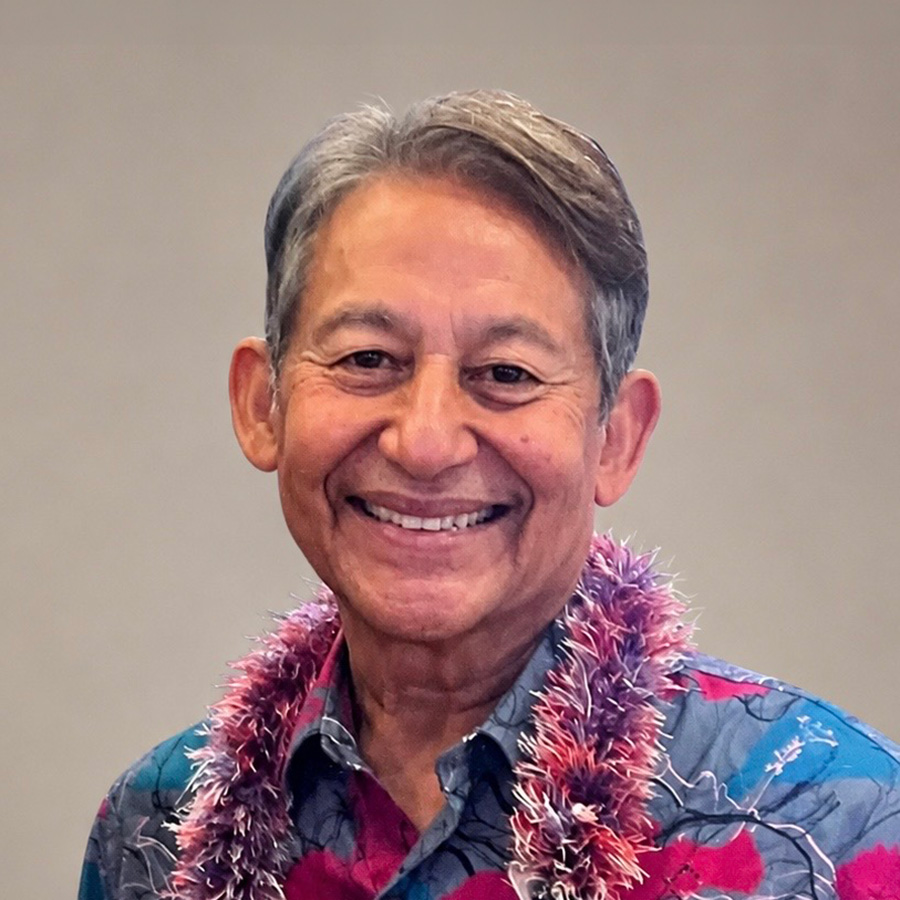
As a longtime Waipahū resident, physician, and small business owner, I have seen Hawaiʻi’s high cost of living from every angle—both in my own life and in the lives of my patients. Like many local families, I have watched the cost of housing, groceries, utilities, transportation, and healthcare rise faster than people’s paychecks. In my medical practice, I have cared for patients who were forced to choose between paying rent, buying healthy food, or filling prescriptions. I have also cared for patients who are working full-time yet living in their cars because they simply cannot afford housing. These experiences have shown me that affordability is not just an economic issue—it affects people’s health, family stability, and whether they can continue to build a life here in Hawaiʻi.
As a physician and longtime Waipahū resident, I have seen how Hawaiʻi’s affordability crisis is pushing local families to the breaking point. Many of my patients are hardworking families doing everything right, yet still struggling to afford housing, childcare, groceries, and healthcare. I have cared for patients who are working full-time but living in their cars, and I have seen families move to Las Vegas with their young children because they simply could not afford to stay in Hawaiʻi. To restore optimism, we must lower the cost of living by building more affordable and workforce housing, streamlining permitting, creating better-paying local jobs, strengthening local food production, and making essentials like childcare, transportation, and healthcare more affordable. Hawaiʻi’s families and young professionals need to know that if they work hard, they can still afford to stay, raise their children, and build a future here at home.
To address low wages and lagging opportunity, Hawaiʻi needs a deliberate strategy to grow better-paying local jobs while lowering the barriers that keep working families from getting ahead. As a physician in West Oʻahu, I have seen hardworking families struggle not only with the high cost of living, but also with wages that do not keep pace with housing, childcare, groceries, and healthcare. I have seen patients working full-time yet still unable to afford stable housing, and I have seen families move to Las Vegas with their young children because they could not build a future here. I would champion workforce and affordable housing near job centers, faster and more predictable permitting, and targeted tax relief for working families and local employers who create good-paying jobs. We must also invest in sectors where Hawaiʻi can build long-term strength—healthcare, education, clean energy, technology, agriculture, and skilled trades—through workforce training, apprenticeships, career and technical education, and stronger partnerships with our schools, community colleges, and the University of Hawaiʻi. As a physician, I believe healthcare itself can be a major source of opportunity by expanding our workforce and supporting telemedicine, preventive care, and health technology innovation. If we want local families and young professionals to stay, we need an economy that rewards work, expands opportunity, and makes it possible to build a future here in Hawaiʻi.
I appreciate this question because it asks us to think ahead and plan for Hawaiʻi’s long-term economic future, not just respond to immediate workforce shortages. Hawaiʻi must do a better job of connecting education, workforce training, and economic development so more local young people can move into stable, living-wage careers. As a physician in West Oʻahu, I see the need every day for stronger pathways into healthcare and other in-demand careers that allow local families to stay in Hawaiʻi. I would support expanding career and technical education in our public schools, strengthening paid apprenticeships and internship programs, and building stronger partnerships among employers, unions, high schools, community colleges, and the University of Hawaiʻi so training is aligned with real workforce needs. We should focus on sectors where Hawaiʻi can create long-term opportunity and good-paying jobs, including healthcare, skilled trades, clean energy, technology, education, agriculture, and public service. I also support scholarship, loan repayment, and workforce pipeline programs for teachers, nurses, physicians, and allied health professionals, as well as incentives for local employers who hire and train Hawaiʻi residents. At the same time, workforce development cannot be separated from affordability. If young people cannot afford housing, transportation, or childcare, they will still leave. To keep our keiki in Hawaiʻi, we must create both living-wage opportunities and a realistic path to building a future here.
Lowering housing costs starts with three practical steps: faster permitting, more homes in the places people already live and work, and smarter use of public land for affordable housing. As a physician in West Oʻahu, I have seen how unstable housing affects health, family stability, and whether hardworking local families can remain in Hawaiʻi at all. First, we need faster and more predictable permitting, especially for affordable and workforce housing near transit, schools, and job centers, because long delays add costs that are ultimately passed on to renters and homebuyers. Second, we should allow more “missing middle” housing—such as duplexes, townhomes, small multifamily buildings, and accessory dwelling units—in areas that already have infrastructure, jobs, and schools. Third, we should use more state and county land for mixed-income and workforce housing, especially near rail, through long-term public land leases that help keep homes affordable and reduce speculation. I also support targeted infrastructure investments so housing projects are not stalled by sewer, water, or road capacity issues, along with down-payment assistance, shared-equity opportunities, and tax relief for local owner-occupants and kūpuna on fixed incomes. Housing affordability is central to Hawaiʻi’s cost-of-living crisis, and we need to treat it with urgency, realism, and a commitment to getting more homes built.
We should prioritize local working families by tying public support for housing to requirements that homes actually serve Hawaiʻi residents, including owner-occupancy where appropriate. If a project receives public land, tax incentives, zoning flexibility, infrastructure support, or other government assistance, a meaningful share of those homes should be reserved for Hawaiʻi residents who live and work here—especially first-time homebuyers, teachers, healthcare workers, and other essential workers. I also support long-term leasehold and shared-equity models on public land to keep homes affordable over time and reduce speculation. To discourage out-of-state and speculative pressure, we should strengthen tools such as higher taxes or fees on vacant homes, speculative investment properties, and non-owner-occupied purchases where legally appropriate, while making sure local families are not unfairly burdened. We should also give local residents a fairer shot at homeownership through down-payment assistance, local preference policies where permitted, and partnerships that expand affordable workforce housing near job centers and transit. Housing policy should first serve the people who live, work, raise families, and contribute to Hawaiʻi’s communities every day.
To build more housing quickly for local working families, we need to treat housing like the urgent economic issue it is. I would push for a fast-track approval process for affordable and workforce housing, especially on public land and near transit, schools, and job centers, with clear timelines so projects do not sit in permitting for years. We should immediately identify state and county parcels for mixed-income and workforce housing, set production targets and agency deadlines to move those projects forward, and invest in the sewer, water, and road infrastructure needed to support them. We should also expand “missing middle” housing such as duplexes, townhomes, and accessory dwelling units in areas that can accommodate growth. I would tie public land, tax incentives, and zoning flexibility to requirements that a meaningful share of those homes go to Hawaiʻi residents who live and work here, especially first-time homebuyers, teachers, healthcare workers, and other essential workers. As a physician in West Oʻahu, I have seen how housing instability affects health, family stability, and whether local families can stay in Hawaiʻi at all. We cannot keep talking about the housing crisis without acting with urgency to build more homes that local families can actually afford.
Reducing grocery costs requires action on both household affordability and Hawaiʻi’s dependence on imported food. In the short term, we should strengthen support for working families by improving access to SNAP, WIC, school meals, and other food assistance programs, while providing targeted tax relief or refundable credits to low- and middle-income households struggling with basic costs. We should also review state policies, fees, and supply-chain bottlenecks that unnecessarily raise the cost of getting food to local families. Over the longer term, we need to increase local food production by supporting Hawaiʻi farmers, ranchers, and aquaculture, protecting agricultural land, improving irrigation and infrastructure, and strengthening farm-to-school and farm-to-market programs so more food is grown and sold locally. I also support modernizing the Jones Act and improving supply chain efficiency, because shipping costs are passed directly on to consumers in Hawaiʻi. As a physician in West Oʻahu, I have seen patients forced to choose between buying healthy food, paying rent, or filling prescriptions, and I know food insecurity worsens diabetes, heart disease, and other chronic illnesses. No family in Hawaiʻi should have to skip meals or go hungry because the cost of basic groceries has become unaffordable.
The State can make childcare and education more affordable by tackling both the cost to families and the shortage of providers. I would support expanding childcare subsidies and refundable tax credits for working families, especially for infant and toddler care, while capping copays for low- and middle-income families so childcare does not consume an unsustainable share of household income. We should also invest in pre-K, after-school, and summer learning programs that help parents stay in the workforce and support children’s development. To increase the supply of childcare, we need to help providers with facility costs, licensing support, fair reimbursement rates, and workforce development, including scholarships and loan repayment for early childhood educators. I also support public-private partnerships that encourage employers to help expand childcare options for their workers. On the education side, we should reduce the financial burden on families by expanding school meal programs, transportation support, and help with classroom, after-school, and activity costs. As a physician in West Oʻahu, I have seen how childcare costs and lack of access can force parents to reduce work hours or leave the workforce altogether, creating stress for the entire family. Making childcare and education more affordable is not just family policy—it is economic policy that helps parents work, supports children’s development, and strengthens Hawaiʻi’s future.
If I could change one aspect of Hawaiʻi’s tax system to improve affordability for local working families, I would expand and strengthen refundable tax credits for low- and middle-income households, especially working families with children. Hawaiʻi’s cost of living is so high that many families are doing everything right and still struggling to afford housing, groceries, childcare, transportation, and healthcare. Refundable tax credits are one of the most direct ways to put money back into the pockets of the people who need relief the most. Unlike broad tax cuts that often benefit higher-income households, targeted refundable credits can be focused on working families, including those raising children or caring for kūpuna. For many households, even a few thousand dollars in meaningful tax relief can help cover rent, childcare, or food and reduce the pressure that is pushing families out of Hawaiʻi.
Hawaiʻi is seen as a difficult place to do business because local employers face a combination of high operating costs, slow and unpredictable permitting, expensive housing that makes it harder to attract and keep workers, and a regulatory environment that can be confusing and time-consuming—especially for small businesses without large legal or administrative staffs. As a physician and small business owner, I understand how difficult it can be to manage payroll, rent, utilities, insurance, and compliance costs in Hawaiʻi’s high-cost environment. To improve conditions for local businesses, we need to make government more responsive and predictable by streamlining permitting, reducing unnecessary delays, creating clearer timelines for approvals, and moving toward a more user-friendly one-stop process for small businesses. We should also take a serious look at how state taxes, fees, and regulations affect small businesses and working families, while still protecting workers and public health. At the same time, we have to address the broader cost-of-living pressures—especially housing, childcare, and transportation—that make it harder for employers to recruit and retain employees. I also believe Hawaiʻi should invest more in workforce development, technical training, and partnerships with community colleges and local employers so businesses can find qualified workers here at home. If we want a stronger economy, we need to make it easier for local businesses to grow, hire, and stay in Hawaiʻi.
To rebuild public confidence in government, we need reforms that make government more transparent, more accountable, and more responsive to the people it serves. I support stronger financial disclosure and conflict-of-interest rules, real-time transparency for campaign contributions and lobbying, and tougher enforcement of ethics laws so the public can see who is influencing decisions and hold elected officials accountable. I also believe government agencies should have clearer performance standards, public reporting of results, and deadlines for major permitting, contracting, and service decisions so residents are not left waiting indefinitely without answers. We should modernize government technology and public access to information, including easier online access to budgets, contracts, testimony, and agency performance data. At the same time, we need to reduce the influence of special interests by strengthening campaign finance rules and making sure public appointments and contracts are based on merit, transparency, and the public interest. As a physician, I believe trust is built through honesty, accountability, and follow-through. Government should operate the same way. People should be able to see how decisions are made, who benefits, and whether government is delivering results for Hawaiʻi’s families.
Related Candidates

Rachele F. Lamosao
No Response Received,Senate District 19
Democrat
Elijah Pierick
No Response Received,Senate District 19
Republican