Ernest Caravalho
Office: House District 28
Party: Democrat
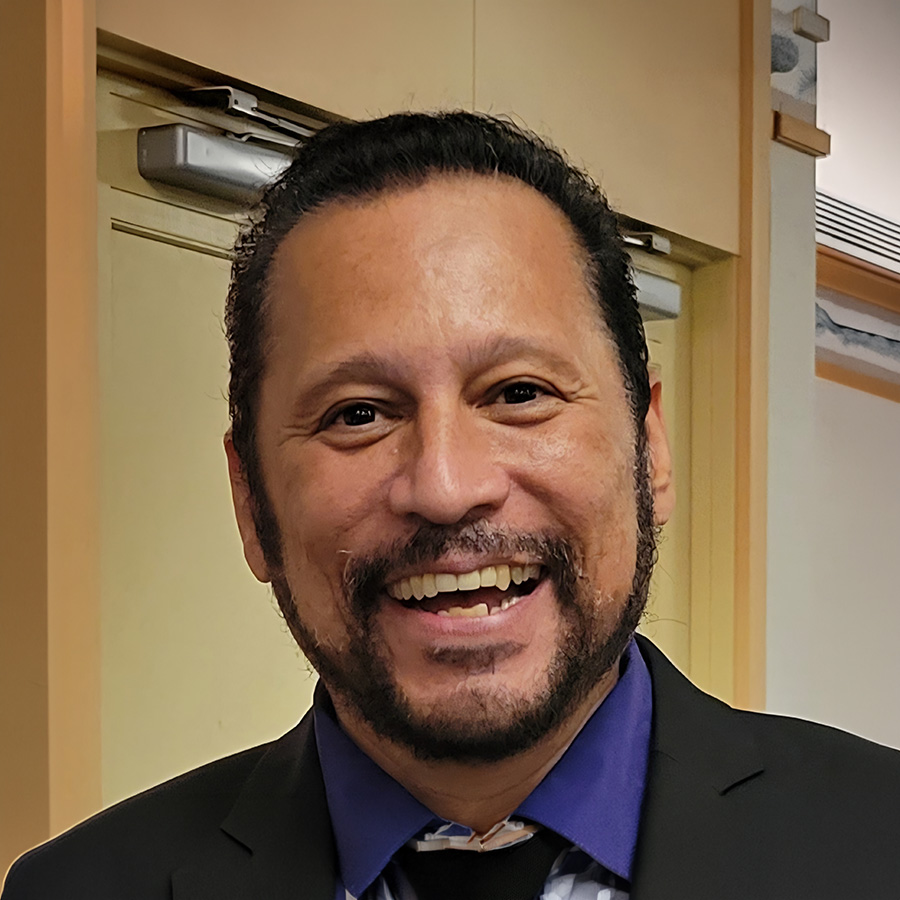
Living in Hawaiʻi has made me realize how expensive everyday life can be. One of the biggest challenges is the cost of housing. Whether renting or trying to buy a home, prices are so high that many people have to work multiple jobs or share housing with family members just to make ends meet. The high cost of groceries is another constant struggle because most food is shipped to the islands, making even basic items more expensive than on the mainland.
Transportation also affects my budget. Gas prices, vehicle maintenance, and insurance all add up, and because driving is often necessary, these expenses are hard to avoid. Utility bills, especially electricity, can also be surprisingly high, making it important to conserve energy whenever possible. Healthcare costs, including insurance, doctor visits, and prescription medications, can place additional financial pressure on individuals and families.
Because of these expenses, I have learned to budget carefully and focus on essential needs before spending money on anything else. I look for sales, compare prices, and avoid unnecessary purchases whenever I can. Even with careful planning, it can still be difficult to save money for emergencies or future goals.
Although Hawaiʻi's natural beauty, culture, and sense of community make it a wonderful place to live, the high cost of living creates ongoing challenges for many residents. I believe that improving housing affordability and reducing the cost of essential goods and services would make a meaningful difference for people who call Hawaiʻi home.
Many local residents are leaving Hawaiʻi because they believe they can build a more stable financial future elsewhere. High housing costs, low wage growth compared to living expenses, and limited career opportunities have made it difficult for many working families and young professionals to remain in the islands. To restore optimism, Hawaiʻi must focus on creating an environment where people can afford to live, work, and raise a family.
One of the most important steps is increasing the supply of affordable housing. State and county governments should streamline the permitting process, encourage responsible development, and expand programs that help local residents purchase their first homes. At the same time, investments in higher-paying industries, such as technology, healthcare, renewable energy, and skilled trades, would provide more career opportunities and reduce the need for residents to leave in search of better jobs.
Supporting small businesses and local entrepreneurs is another way to strengthen Hawaiʻi's economy. Providing grants, tax incentives, and workforce training can help businesses grow while creating quality jobs for local residents. Expanding affordable childcare and improving public transportation would also reduce the financial burden on working families.
Finally, restoring optimism requires leaders to listen to the concerns of local communities and develop long-term solutions rather than temporary fixes. If residents see meaningful progress on housing, wages, and economic opportunity, they will be more confident that they can build successful careers and raise their families in Hawaiʻi. Creating that sense of stability is essential to keeping local talent and preserving Hawaiʻi's future.
Hawaiʻi's high cost of living is only part of the problem. Many residents also face limited career opportunities and wages that have not kept pace with rising expenses. To address these challenges, lawmakers should focus on creating an economy that supports higher-paying jobs while helping local businesses grow and succeed.
One important strategy is investing in industries that offer long-term career opportunities, such as healthcare, technology, renewable energy, construction, and skilled trades. Expanding workforce development programs, apprenticeships, and partnerships with community colleges and employers would help residents gain the skills needed for these careers without leaving the islands.
Supporting small businesses should also be a legislative priority. Reducing unnecessary regulations, offering targeted tax incentives, and expanding access to low-interest loans can encourage entrepreneurs to start and grow businesses in Hawaiʻi. A stronger small business community creates more jobs, increases competition, and helps strengthen the local economy.
Housing affordability must also remain a key focus. Streamlining the permitting process and encouraging the construction of affordable housing can reduce one of the largest financial burdens facing working families. At the same time, improving transportation infrastructure and expanding access to affordable childcare would make it easier for people to participate in the workforce.
By combining economic development with investments in education, workforce training, housing, and local businesses, Hawaiʻi can create better-paying jobs and stronger career opportunities. These legislative strategies would give residents greater financial stability and renewed confidence that they can build successful futures without leaving the place they call home.
Preparing Hawaiʻi's youth for the workforce requires more than education alone. The State must ensure that students have access to career pathways that lead to stable, living wage jobs and that employers have the skilled workers they need. Strengthening workforce development should begin with expanding career and technical education in high schools and community colleges. Programs in healthcare, construction, information technology, renewable energy, and skilled trades can provide students with practical skills that lead directly to well-paying careers.
The State should also expand apprenticeships, internships, and partnerships between schools, colleges, and local businesses. Giving students real-world work experience before they graduate will make them more competitive in the job market while helping employers develop future employees. Offering tuition assistance and scholarships for careers in high-demand fields can also encourage more young people to stay in Hawaiʻi after completing their education.
Creating enough living wage jobs will require diversifying Hawaiʻi's economy. While tourism will continue to play an important role, the State should also encourage growth in technology, clean energy, agriculture, healthcare, and other emerging industries. Supporting small businesses and entrepreneurs through grants, training, and reduced regulatory barriers can also create new employment opportunities.
By investing in education, workforce training, and economic diversification, Hawaiʻi can better prepare the next generation for successful careers. These efforts will help ensure that more local residents can find meaningful, well-paying jobs and build their futures in the islands instead of feeling they must leave to achieve financial stability.
Housing affordability is one of the greatest challenges facing Hawaiʻi’s working families. Too many residents are spending half or more of their income just to keep a roof over their heads, leaving little for food, healthcare, transportation, childcare, and savings. Addressing this crisis requires practical solutions that put local residents first.
One important step is increasing the supply of affordable housing while making better use of the land and buildings we already have. The State should streamline the permitting process, reduce unnecessary delays, and work with counties to responsibly develop housing that working families can actually afford. We should also look at converting underused commercial spaces and vacant buildings into housing where appropriate.
We must also protect opportunities for local residents to become homeowners. Expanding down payment assistance programs, supporting first-time homebuyers, and creating more pathways to ownership can help families build long-term financial security. Housing should not only be about having a place to rent, but creating opportunities for residents to build equity and remain in Hawaiʻi.
At the same time, we need to address the factors driving up costs. We should review regulations that unnecessarily increase construction expenses, support local trades and workforce development to address labor shortages, and encourage innovative building methods that reduce costs.
Affordable housing is not just an economic issue; it is about preserving our communities and keeping families together. The goal should be simple: make sure the people who work, serve, and contribute to Hawaiʻi have a realistic opportunity to live here.
Hawaiʻi’s housing crisis is not only about the number of homes available; it is also about making sure local families have a fair opportunity to live in the communities they have helped build. When homes become investment opportunities first and places for families second, working residents are pushed further away from homeownership and stability.
I believe we need policies that prioritize residents while still respecting property rights. The State should explore stronger incentives and programs that give preference to local homebuyers, first-time buyers, and working families who live and contribute to our communities. Publicly supported housing programs should be designed with clear protections to ensure these homes remain available for local residents and are not quickly turned into speculative investments.
We should also examine ways to discourage excessive speculation, including policies that address vacant properties and homes purchased primarily as investment assets rather than places for people to live. Any approach should be carefully crafted to avoid unintended consequences, but we cannot ignore the impact outside investment has on affordability.
Another important solution is increasing opportunities for local ownership through community land trusts, workforce housing programs, and partnerships between government, nonprofits, and private developers.
Housing is more than a financial asset; it is the foundation of our communities. The people who work in our hospitals, schools, businesses, and public services should have a meaningful chance to live where they serve. Hawaiʻi must create a housing system that puts local families and the future of our communities first.
Hawaiʻi’s housing shortage did not happen overnight, and solving it will require a commitment to action rather than another decade of studies and promises. Every year we fail to build enough homes, more local families are forced to make the painful decision to leave the place they call home.
The State must take a more aggressive role in creating housing opportunities for working families. We need to identify available state-owned lands that are appropriate for housing and move projects forward faster by reducing unnecessary delays in the approval and permitting process. Government should be a partner in solving the problem, not an obstacle that slows progress.
We also need to support different types of housing that meet the needs of our communities, including affordable rentals, workforce housing, starter homes, and housing for kupuna. Building more units near employment centers and transportation options can help reduce the financial burden on families who are already struggling with high costs.
Partnerships will be critical. The State should work with counties, nonprofit organizations, labor unions, and responsible developers to increase the pace of construction while ensuring quality and affordability. Public investment should come with protections so that housing created for local families remains available to local families.
For too long, we have watched teachers, healthcare workers, first responders, and working families leave Hawaiʻi because they cannot afford to stay. Housing must be treated as one of our greatest priorities. We need to build faster, smarter, and with the goal of keeping Hawaiʻi home for the people who make our communities strong.
The high cost of groceries in Hawaiʻi is a daily struggle for many families. When people are forced to choose between paying rent, buying food, filling their gas tank, or paying other bills, we know we have a serious problem. No working family should have to skip meals because the cost of living has become too high.
To reduce grocery costs, we need to address the reasons prices are higher in Hawaiʻi. One solution is strengthening our local food systems by supporting farmers, ranchers, and local producers so we can grow and produce more of what we consume here. Increasing local agriculture reduces our dependence on imported goods and helps keep more money circulating within our communities.
The State should also look at ways to reduce unnecessary costs throughout the supply chain, including transportation, storage, and distribution expenses. Supporting local markets, cooperatives, and partnerships between producers and consumers can create more affordable options for families.
We also need to provide relief for those who are struggling today. Expanding access to nutrition assistance programs, supporting community food programs, and helping seniors and working families on fixed incomes are important steps while we work on long-term solutions.
Food security is not just about economics; it is about dignity. Hawaiʻi should not be a place where the people who work hard and contribute to our communities cannot afford basic necessities. By investing in local agriculture, reducing barriers that drive up costs, and supporting families in need, we can make everyday life more affordable for everyone.
Affordable childcare is not just a family issue; it is an economic issue. When parents cannot afford childcare, many are forced to reduce their hours, leave the workforce, or delay opportunities that could improve their financial stability. At the same time, children deserve access to quality early learning that prepares them for success.
The State should view childcare as essential infrastructure, just like transportation and housing. One approach is expanding financial assistance for working families by increasing childcare subsidies and making sure support reaches those who need it most. Assistance should be simple to access and designed around the realities of working parents.
We also need to invest in the people who provide childcare. Many childcare workers are underpaid despite doing some of the most important work in our communities. Supporting higher wages, workforce training, and financial assistance for childcare providers can help keep centers open, increase available slots, and reduce costs for families.
The State should also encourage more childcare options by supporting partnerships between employers, schools, nonprofits, and community organizations. Expanding childcare facilities, especially in areas where families have limited choices, would make it easier for parents to return to work.
Early childhood education is an investment in Hawaiʻi’s future. By helping families afford quality care and supporting the childcare workforce, we can strengthen our economy, give children a stronger foundation, and help working families build a more secure future in the islands.
I’m focused on creating a fairer system that gives more relief to local working families while making sure people and businesses with more ability to pay are paying their fair share.
A lot of residents are feeling squeezed as everyday costs keep going up and wages haven’t kept up. Working families pay taxes on basics like food, housing, and other day-to-day expenses, and for many households there’s not much left at the end of the month. The tax system shouldn’t put the biggest burden on people who are already struggling to make it in Hawaiʻi.
I think we should look at ways to give stronger tax relief to low- and middle-income residents, including expanding credits and deductions that help working families directly. At the same time, we should take a closer look at whether those who have benefited the most from Hawaiʻi’s economy, including large corporations, high-income earners, and speculative investments, are paying their fair share.
Any changes to the tax system need to be fiscally responsible and protect the essential services our communities rely on, including education, healthcare, public safety, and infrastructure. The goal shouldn’t just be to raise or lower taxes, but to build a system that supports the people who live, work, and raise families here.
A fair tax system should help make Hawaiʻi more affordable, strengthen our middle class, and give local families a better chance to succeed and stay in the islands.
Hawaiʻi is a difficult place to do business because many local businesses are facing challenges from high operating costs, complicated regulations, limited available space, and the overall high cost of living that affects both owners and employees. When it costs more to rent a storefront, hire workers, purchase supplies, and comply with regulations, it becomes harder for small businesses to survive and compete.
Small businesses are the backbone of our communities, especially in places like Chinatown, Kalihi, and throughout urban Honolulu. These businesses provide jobs, preserve culture, and create the character that makes our neighborhoods unique. However, many owners feel that government processes can be slow and difficult to navigate, making it harder for them to grow.
The State should focus on making it easier for local businesses to succeed. This includes streamlining permits, reducing unnecessary delays, improving access to small business grants and low-interest loans, and providing resources to help entrepreneurs understand and comply with regulations. We should also support workforce development so businesses can find and retain qualified employees.
At the same time, we need to create a more balanced economic environment where businesses can succeed while workers can afford to live here. Supporting local businesses should not mean ignoring the needs of employees; a strong economy requires both.
Hawaiʻi should be a place where local entrepreneurs have a fair opportunity to start and grow a business. When local businesses thrive, they create jobs, strengthen communities, and help keep our economy rooted in the people who call these islands home.
Trust in government is built when people believe their voices are being heard, decisions are being made openly, and leaders are accountable for the choices they make. When only a small percentage of residents have confidence in government, it is a sign that we need to rebuild the relationship between the people and those who serve them.
One reform I would support is increasing transparency in how decisions are made and how taxpayer dollars are spent. Government agencies should make information easier for the public to access, including budgets, contracts, project timelines, and the results of programs funded by taxpayers. People should not have to fight to understand where their money is going.
We also need stronger accountability measures. Agencies should have clear goals, deadlines, and performance reviews to ensure programs are delivering results. When projects are delayed or costs increase, the public deserves honest explanations and solutions, not excuses.
Improving efficiency also means reducing unnecessary bureaucracy. Government should be easier for residents and businesses to navigate. Modernizing systems, improving communication between agencies, and making services more accessible online can save time and reduce frustration.
Most importantly, elected officials must return to the basics of public service: listening to communities, showing up, and putting people before politics. My experience serving in the community has taught me that trust is earned through action, not words.
Government works best when residents feel respected, included, and confident that their leaders are working for them. Restoring that trust requires transparency, accountability, and a commitment to serving the people of Hawaiʻi every day.
Related Candidates

Reno Abihai
House District 28,No Response Received
Democrat
Nadia Alves
House District 28,No Response Received
Democrat
Anthony A. (Tony) Nagatani
House District 28,No Response Received
Democrat
Michael (Cov) Ratcliffe
House District 28,No Response Received
Democrat