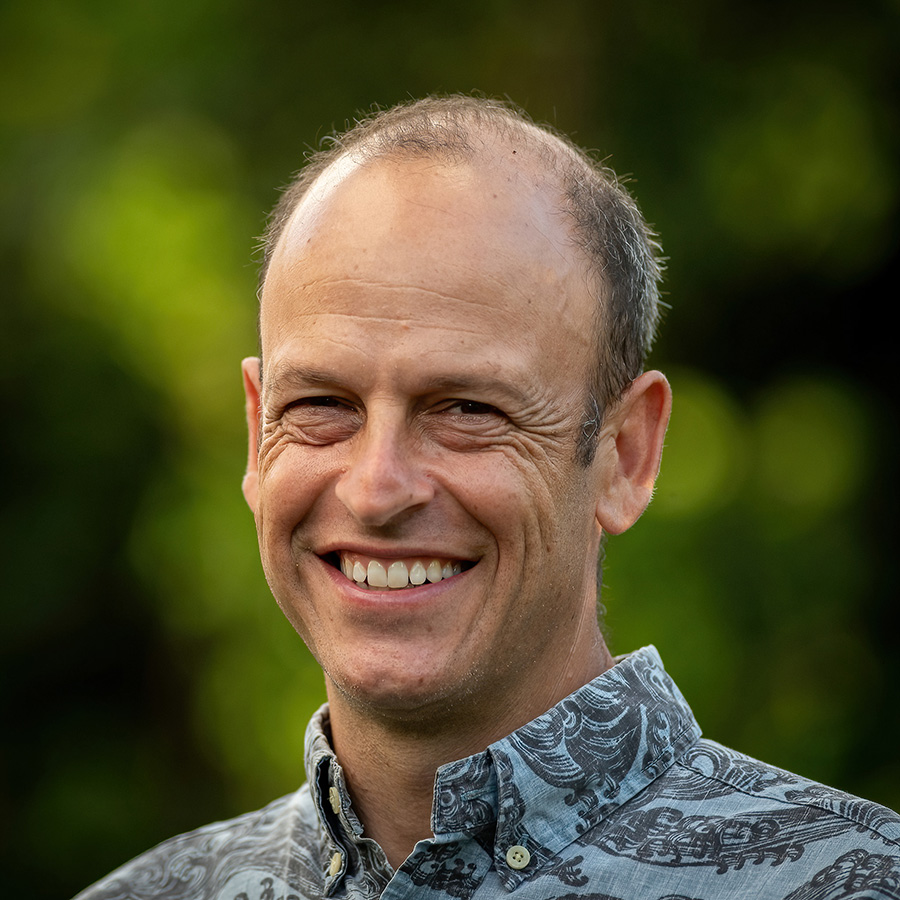
David Hazlebeck
Office: House District 16
Party: Republican
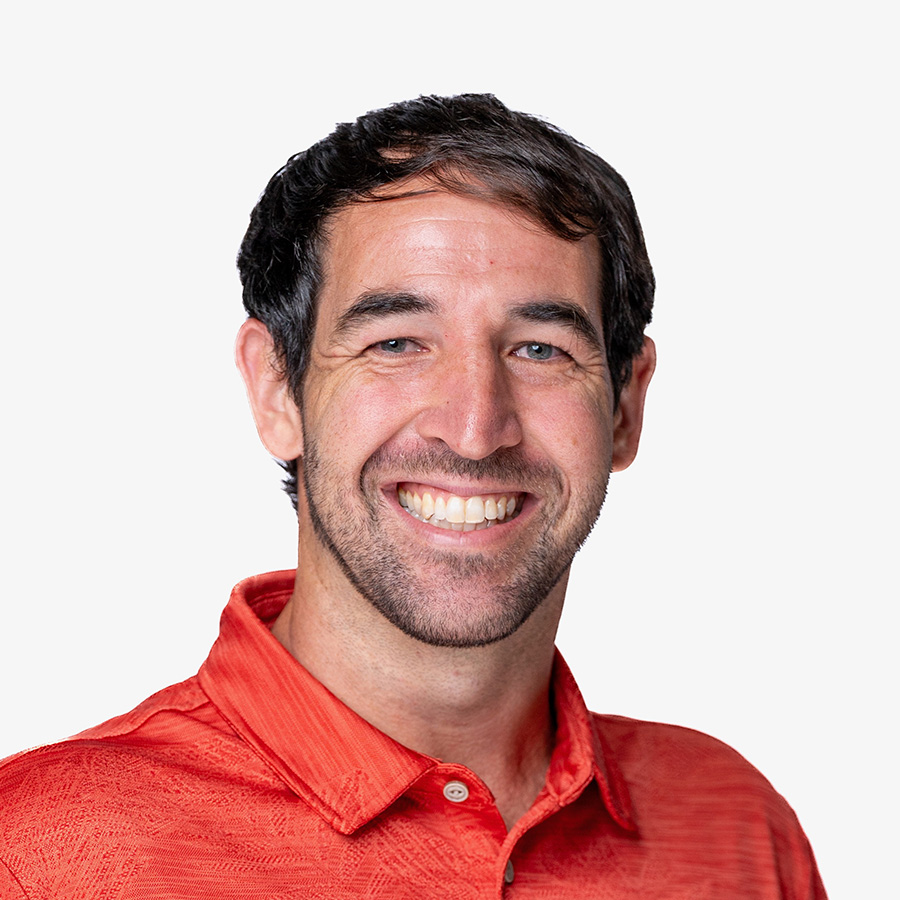
My family has experienced firsthand the challenges of building our future on Kauaʻi, just like so many families. We are not independently wealthy, so we work very hard to raise our three young children here. We live in a two-bedroom, one-bath home because housing prices have made it difficult to move into a larger home. We would love to remodel our home, but despite the county sewer line being only a few hundred feet away, we have been told we are unlikely to be connected in our lifetime. Without sewer access, expanding our home becomes far more expensive (we were quoted $65,000+ for septic).
Cost of living is one of the main reasons I decided to run for office. Affordability is not just about one issue or one policy. I am running to bring a wholistic approach that will help Hawaiʻi be a place where local families can once again afford to live, work, raise a family, and build a future.
I know our family isn't unique. Across Hawaiʻi, hardworking people are doing everything they're supposed to do. They're working, raising families, saving where they can, and still finding that the dream of owning a home or simply creating enough space for their children feels out of reach. That's why affordability is my top priority.
First off, Native Hawaiian outmigration due to costs is unacceptable and one of the most heartbreaking challenges facing Hawaiʻi. I firmly believe it is wrong that local people are forced to leave Hawaiʻi because they can no longer afford to live here. Too often, the cost of living is made even worse by state policies that increase costs, create unnecessary barriers, and make it harder for families to get ahead. We must change this.
We can restore optimism and convince them by actually making it more affordable. I've developed a comprehensive plan to do just that. It starts with meaningful tax relief, housing policies that increase opportunities for local families without destroying existing neighborhoods, investments in water, sewer, and other critical infrastructure, and a regulatory environment that encourages businesses to grow instead of driving them away.
Equally important, we need to restore confidence that government is working for the people. Families deserve leaders who listen, think independently, and focus on solving problems rather than advancing political agendas.
I remain optimistic because Hawaiʻi has everything it needs to succeed: hardworking people, strong families, vibrant communities, and extraordinary natural resources.
I will champion legislation that removes barriers to local business growth, speed up permitting, and invest in critical infrastructure like sewer, water, roads, and broadband so housing and businesses can expand where it makes sense. We also need to support industries that can create higher-paying jobs beyond tourism and government, including agriculture, technology, healthcare, construction, and the skilled trades.
I operate a local agriculture and technology business, so I understand firsthand how to create good-paying jobs in Hawaiʻi while facing high costs, shipping expenses, and slow government processes. The state should be assess how each policy affects job creation, productivity, and take-home pay. Productivity is the number one driver for standard of living. Hawaiʻi politics being controlled by one party for decades has made it harder to invest, build, innovate, and grow businesses, limiting the productivity gains that lead to better-paying jobs.
As an economist, I am focused on supporting sustainable economic development. Success means our keiki can build rewarding careers here, buy a home, raise a family, and choose to stay in Hawaiʻi because the opportunities are here. The State can support this by encouraging new businesses rather than hindering businesses as explained in previous answers. We must create an economy that produces more living-wage jobs. That means reducing unnecessary regulations, streamlining permitting, investing in infrastructure, supporting locally owned businesses, encouraging entrepreneurship, and attracting industries that diversify our economy beyond tourism and government employment.
As a small business owner, I know firsthand that businesses create jobs when government creates an environment where they can succeed. If we want our keiki to build their future in Hawaiʻi, we cannot simply train them for jobs, we must create an economy with enough opportunities for them to stay. Workforce development and economic development have to go hand in hand. If there are not enough living-wage jobs available, we are simply training our young people to leave Hawaiʻi.
First, we need to reduce the ongoing cost of homeownership. I will propose eliminating property taxes for owner-occupied homes and long-term affordable rentals. A family's home should not be treated as a recurring source of tax revenue. Allowing local families to keep more of what they earn would make homeownership more attainable and help people stay in Hawaiʻi.
Second, we need to invest in infrastructure. On Kauaʻi, sewer and water limitations prevent housing from being built even when the land is available. The State should partner with counties to expand this infrastructure so projects can move forward.
Third, we must streamline permitting and reduce unnecessary regulations that add years of delays and tens of thousands of dollars to every home.
Finally, housing decisions should remain locally driven as much as possible. Each island has unique needs, and counties should retain the ability to plan growth while protecting agricultural land.
There is no single solution to Hawaiʻi's housing crisis, but we can make meaningful progress by addressing the biggest barriers. Housing affordability isn't just about building more homes, but it's about making it possible for local families to own one and build generational wealth.
I will prioritize policies that help local families compete without unfairly restricting private property rights. I support incentives that make owner-occupied housing more attainable for local residents, as described in my response to the previous question. In addition, we should expand first-time homebuyer assistance and encourage long-term occupancy through tax policy. The State becoming everyone’s landlord through leases and deed restrictions is not the answer.
While I discussed other barriers to affordability in the previous question, one of the fastest ways to increase the number of homes available for local buyers is to incentivize owners of investment properties to sell. A shortage of homes contributes to bidding wars and speculative investment. I will propose a moratorium on capital gains taxes when a property is sold to an owner-occupied buyer. That allows sellers to keep more of the proceeds, making them more willing to sell to local owner-occupants rather than holding the property or waiting for the highest investor bid.
Increasing conveyance taxes (as had been proposed in the legislature this year) will slow the housing market, reduce the number of homes available for sale, and ultimately increase prices.
Over the long term, we also need to build more homes by addressing infrastructure constraints, streamlining permitting, and reducing unnecessary regulations that drive up costs while protecting the character of our communities.
We need to stop treating housing as a problem to study and start treating it as the crisis that it is. When you work to solve a crisis, you attack it from every angle. Housing requires a comprehensive approach that lowers costs, increases supply, and helps local working families. The biggest barriers to building are slow permitting, inadequate infrastructure, and government processes that add unnecessary delays and costs. We also need to work with unions, contractor licensing boards, and our education system to expand apprenticeships and workforce development opportunities in the construction trades.
Inadequate sewer and water infrastructure prevent housing from being built where it makes sense. I've experienced these issues firsthand. Despite the sewer line being only a few hundred feet away, we've been told we are unlikely to be connected in our lifetime. So far this has prevented us from expanding our home to accommodate our growing family.
I would also streamline permitting, expand the use of pre-approved building plans, remove unnecessary regulations, and require greater accountability from agencies reviewing projects. We should empower counties to make housing decisions that fit their communities instead of relying on one-size-fits-all mandates from Oʻahu.
If we focus on building faster, lowering costs, and prioritizing local families, we can begin closing the housing gap and ensure the next generation of local families has the opportunity to own a home in Hawaiʻi.
There is no single law that will suddenly make groceries affordable, but government can stop making them more expensive.
I will continue working to eliminate the GET on essentials like food and medicine. I will also oppose new taxes and fees that increase the cost of our food. Every additional tax on transportation, energy, packaging, or businesses eventually shows up at the checkout line for families in our community.
As someone who works in agriculture, I know firsthand that local producers need a regulatory environment that allows them to grow and compete. By reducing unnecessary barriers, we can strengthen local food production and increase the amount of locally grown food served in our schools. Supporting Hawaiʻi's farmers, ranchers, and fishermen improves food security and reduces our dependence on imported products that are vulnerable to shipping costs and supply chain disruptions.
Another area the State can help is by lowering the cost of doing business in Hawaiʻi. That means reducing unnecessary regulations, improving our ports and infrastructure, and increasing competition throughout the supply chain so businesses can operate more efficiently and pass savings on to consumers.
Finally, perhaps the best way to reduce the burden of everyday living expenses is by helping families earn more and keep more of what they earn. That means creating higher-paying jobs, protecting the tax relief already enacted, and opposing unnecessary tax increases.
Every family should have the freedom to choose the childcare arrangement that works best for them, whether that's a licensed center, a family childcare provider, or a parent choosing to stay home with their children. As the father of three young children, I understand how significant childcare costs can be for working families. I support expanding access to early learning opportunities and strengthening career pathways for childcare professionals so more childcare providers can enter the workforce and increase capacity.
The State should reduce unnecessary regulations that make it harder to open or expand licensed childcare facilities while maintaining strong health and safety standards. I support targeted tax relief that helps working families offset childcare costs while preserving parents' freedom to choose the care option that best fits their family's needs. We should also encourage employers to offer childcare benefits and support public-private partnerships that expand access where shortages exist.
We need to address the broader affordability crisis. When housing, groceries, taxes, and energy consume so much of a family's budget, childcare becomes even harder to afford. Lowering the overall cost of living and creating more living wage jobs will do as much for working parents as any single childcare program.
If I could change one aspect of Hawaiʻi's tax system, I would fundamentally change its structure. Instead of continually looking for new ways to tax local families, I would eliminate the state income tax and replace it with a system where Hawaiʻi residents receive an annual rebate from the State. Alaska has demonstrated that government can share prosperity with its residents instead of constantly asking them to pay more. While Hawaiʻi's economy is different, we should embrace the same philosophy. Tourism generates tremendous economic activity and significant tax revenue, and our goal should be to manage those resources so local residents share more directly in our state's prosperity. We welcome millions of visitors every year. While tourism certainly brings challenges that must be managed responsibly, it also provides a tremendous economic opportunity that should benefit the people who call Hawaiʻi home.
That transition requires responsible budgeting, eliminating waste, and growing our economy. The best way to improve affordability is not by creating more government programs, but by allowing families to keep more of what they earn. Our tax system should reward hard work, encourage investment, and make it easier for local families to build wealth and a future in Hawaiʻi. Government exists to serve the people, and when our economy succeeds, local residents should be the first to benefit.
The rankings just came out for 2026 and we’ve dropped a spot to LAST PLACE. This is a reflection of our political leadership for the last several years. As someone who lead a local business on Kauaʻi, I don't have to guess why Hawaiʻi is a difficult place to do business, I experience it. Businesses face high taxes, expensive utilities, costly shipping, workforce shortages, slow permitting, and layers of regulations that increase costs without improving outcomes. Those costs don't disappear in the business, they're passed on to employees and customers, making Hawaiʻi even less affordable.
Government should view local businesses as partners in solving our affordability challenges, not simply as sources of revenue. I will work to streamline permitting, modernize government processes, reduce unnecessary regulatory burdens, invest in infrastructure that supports economic growth, and oppose new taxes that make it harder to hire, expand, or invest. We should also diversify our economy by supporting industries like agriculture, technology, healthcare, construction, and the skilled trades so we're not overly dependent on tourism.
When local businesses succeed, they create jobs, raise wages, and strengthen our communities. If we want young people to build their futures in Hawaiʻi, we must make Hawaiʻi a place where businesses of all sizes can succeed.
I support requiring independent fiscal impact analyses for legislation so lawmakers and the public understand the true cost before a bill is passed. We should also make government more transparent by improving public access to information, requiring at least 72 hours for the public to review legislation before final votes, and discouraging last-minute amendments that substantially change bills without meaningful public input.
I also support legislative term limits. Public service should be about serving the community, not building a lifelong political career. New perspectives and fresh ideas strengthen our institutions and help ensure elected officials remain accountable to the people they represent.
Trust is earned through transparency, accountability, and results, not empty promises. Years of one-party rule have contributed to a government that too often feels disconnected from the families it serves. Government should measure its success by one simple question: Are the people of Hawaiʻi better off? If the answer is no, leaders should change course or the people should choose new leadership through elections.