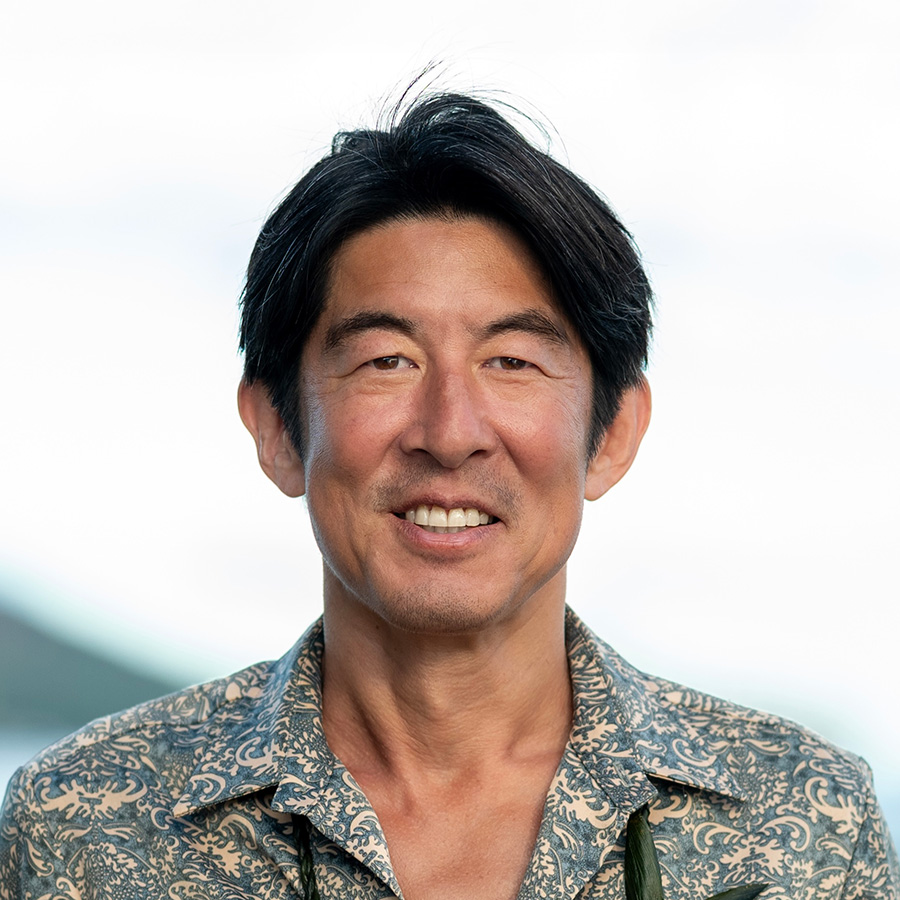
I experience Hawaiʻi’s high cost of living firsthand as both a resident and a small-business owner. Even with what many would consider a successful clinic, most of its income goes toward rent, utilities, supplies, insurance, and other operating expenses. Some therapies, such as cryotherapy, generate little or no profit because the liquid nitrogen used as a coolant is so expensive. I continue to offer cryotherapy because I consider it a valuable service to the community. I have not had a day off in six years and work at my clinic every day to keep it running and give people every opportunity to heal.
I have also seen a noticeable decline in the number of clients coming to the clinic. Many have specifically cited concerns about the economy and said they can no longer afford to invest as much in their health.
Personally, I live in a small studio and keep my expenses to a minimum so I can prioritize keeping my clinic operating. Hawaiʻi’s high cost of living makes it increasingly difficult for both my clients and me to sustain access to care.
We will not restore optimism through slogans. Local families and young professionals need a clear, realistic path to earning a good living, owning a home, raising a family, and building a future in Hawaiʻi.
That means lowering the cost of living while rebuilding a stronger, more self-sufficient economy. We should remove unnecessary barriers facing local businesses, reduce excessive taxes and fees, support local agriculture and manufacturing, and expand opportunities to produce in Hawaiʻi what we currently import. We should also increase exports so more outside money flows into our economy instead of continually leaving it.
Housing must become attainable, not just available. We need homes that working residents can afford to own, along with pathways that help public housing residents transition from long-term renting to homeownership and allow local families to build equity and generational stability.
Government must review its spending, eliminate waste, and focus resources on policies that directly improve economic opportunity and reduce household expenses. Hawaiʻi’s people will believe they have a future here when hard work once again provides a real opportunity to get ahead, not just to get by.
Hawaiʻi cannot solve its affordability crisis by treating high prices and low wages as separate problems. We must rebuild a productive, self-sufficient economy that creates better-paying jobs and allows local families to build wealth.
I would reduce taxes and regulatory barriers on small businesses, agriculture, manufacturing, construction, and other industries that produce essential goods locally. Hawaiʻi should replace more imports, export what we can competitively produce, expand workforce and vocational training tied to real job opportunities, and support housing residents can afford to own.
I would also review the state budget line by line, eliminate waste, streamline permitting, reduce excessive licensing requirements, and ensure infrastructure spending supports lasting economic growth rather than government dependency.
The declining purchasing power of the U.S. dollar contributes to inflation as federal spending and money creation reduce the value of wages and savings. While Hawaiʻi cannot control federal monetary policy, the Legislature can lessen its impact by lowering taxes, reducing unnecessary government costs, increasing local production, and creating an economy where wages rise through productivity, competition, and genuine opportunity.
Workforce and economic development must be aligned. Training people for jobs that don’t exist, or don’t pay enough to live in Hawaiʻi, won’t solve the problem.
The State should partner with employers, unions, schools, and the University of Hawaiʻi to identify workforce needs and expand career and technical education, apprenticeships, internships, dual-credit programs, and industry-recognized credentials starting in high school. Funding should be tied to outcomes such as job placement, retention, wage growth, and whether graduates remain in Hawaiʻi; not just program completion.
We must also create more living-wage jobs by supporting local agriculture, construction and skilled trades, healthcare, manufacturing, technology, and export-oriented businesses. Reducing permitting delays, regulations, taxes, and operating costs will help local businesses grow and raise wages.
The State should remove unnecessary degree requirements when skills and experience suffice, provide clear data on wages and job outcomes, and help small businesses offer apprenticeships.
Finally, wages must be considered alongside Hawaiʻi’s high cost of living. More affordable housing, lower energy and transportation costs, and a stronger economy will help people build careers, raise families, and stay in Hawaiʻi.
Hawaiʻi must address both the shortage of homes and the high cost of building them. I would streamline permitting, set firm approval deadlines, expand preapproved building plans, reduce unnecessary regulations and fees, and ensure infrastructure is in place where housing is planned. State lands should be used to develop modest starter homes and condominiums that local working families can afford—not more luxury units.
I support converting appropriate public housing into ALOHA Homes or Hale Kamaʻāina-style ownership opportunities so residents can build equity instead of remaining permanent renters. Housing programs should prioritize local residents, first-time buyers, essential workers, and families committed to staying in Hawaiʻi.
I would require greater transparency for foreign and nonresident property purchases, including disclosure and risk-based review of funding sources. Hawaiʻi should coordinate with federal financial-crime and law-enforcement agencies to ensure purchase funds are legitimate and not tied to fraud, corruption, money laundering, or tax evasion. Lawful investment is welcome, but Hawaiʻi real estate must not become a haven for illicit wealth.
We must also enforce laws against illegal vacation rentals and discourage homes from being held vacant or used primarily for speculation. The goal is clear: build more housing, lower costs, protect long-term supply, and create real pathways for local families to own a home.
I would create a housing system that prioritizes local families and gives working people a fair chance to own a home instead of competing with global investors and speculators.
A key step is reducing or eliminating property taxes for owner-occupants who use their home as their primary residence. Local families should not be taxed out of their homes. The tax burden should shift to non-owner-occupied properties, including vacant homes, second homes, luxury investments, and speculative holdings.
Housing built on public land or receiving public support; such as funding, tax incentives, infrastructure, or zoning exemptions; should be reserved for qualified owner-occupants. Programs like ALOHA Homes or Hale Kamaʻāina can provide lower-cost leasehold homes by removing land costs. Buyers must live in the home, own no other property, and cannot use it as a investment.
These homes can only be sold back to the state. The state will then resell it to another qualified local buyer at a price tied to local incomes. Homeowners could build reasonable equity while preserving long-term affordability.
I would also increase taxes on rapid property flips, vacant second homes, bulk investor purchases, and non-owner-occupied luxury properties, using that revenue to fund housing, infrastructure, and down-payment assistance.
Finally, I would require transparency on beneficial ownership and funding sources for large or nonresident purchases, with audits to ensure funds are legally obtained.
I would treat housing as an urgent economic priority. The State must identify suitable public lands, fund the roads, water, sewer, and utilities needed for development, and establish firm deadlines for permitting and agency approvals. Projects that provide homes local working families can afford to own should move to the front of the line.
I would expand ALOHA Homes and Hale Kamaʻāina-style developments that use public land, long-term affordability restrictions, owner-occupancy requirements, and limits on resale speculation. We should also reduce unnecessary regulations and construction costs, encourage modular and locally manufactured housing, and hold agencies accountable when delays drive up prices.
New housing supported by taxpayers should serve Hawaiʻi residents—not investors seeking second homes or short-term profits. I would also strengthen enforcement against illegal vacation rentals and audit suspicious nonresident and foreign real-estate purchases to ensure the money used is legally earned. Hawaiʻi cannot simply build more investment properties; we must build housing local families can afford to own and remain in for generations.
Hawaiʻi cannot make food affordable while remaining heavily dependent on imports. I would prioritize local food self-sufficiency by expanding livestock production, local slaughter and processing, cold storage, distribution networks, and farming that relies less on imported feed, fertilizer, and equipment. Nutrient-dense foods, especially locally raised meat, should be central to improving both affordability and public health.
The State should reduce permitting delays, excessive regulations, energy costs, and other barriers that drive up the price of locally produced food. I would also support eliminating or offsetting the general excise tax on essential groceries so families receive immediate relief at the checkout counter.
Public institutions; including schools, hospitals, prisons, and military facilities; should purchase more Hawaiʻi-grown and Hawaiʻi-produced food whenever practical, with an emphasis on nutrient-dense options like locally raised meat. This would create dependable demand for local producers. We should also strengthen competition in shipping, wholesale distribution, and grocery retail while investigating price manipulation or unfair market practices.
The goal is not another temporary subsidy. It is to rebuild a strong, self-sufficient food economy that produces more of what we consume, prioritizes nutrient-dense local foods, keeps money circulating locally, creates living-wage jobs, and permanently lowers the cost of feeding Hawaiʻi’s families.
We must address the broader cost-of-living crisis. Parents cannot afford childcare or education when housing, food, taxes, insurance, and utilities consume most of their income. Hawaiʻi needs a stronger economy, better-paying jobs, and lower everyday expenses so families have real choices—whether both parents work, use childcare, or have one parent stay home.
Nothing replaces the care of a loving parent in a child’s earliest years. Preschool and pre-K can help, but they are not substitutes for parental care. Policy should respect families who choose to have a parent remain at home. At the same time, the State should expand childcare subsidies for working- and middle-class families, raise income limits, and simplify applications so families don’t lose support as they earn more.
We must also increase childcare supply by reducing barriers for providers, supporting family-based care, and encouraging partnerships with schools, nonprofits, and employers.
Not every student needs a traditional four-year degree to succeed. We should make it easier and more affordable to pursue skilled trades and other in-demand careers aligned with our economy. That means focusing on strong fundamentals—reading, writing, math, and critical thinking—while expanding career and technical education, apprenticeships, and affordable pathways such as community colleges, workforce training programs, and partnerships with employers.
I would work to significantly reduce Hawaiʻi’s state income tax so residents can keep more of what they earn, especially given the high cost of housing, food, electricity, and other essentials.
Lowering the income tax would boost take-home pay, reward work, support local businesses, and help families save for homes, raise children, and remain in Hawaiʻi. It would also improve our ability to attract and retain skilled workers and entrepreneurs.
Hawaiʻi is uniquely positioned because it already generates substantial revenue from tourism and the federal military presence. Visitor-related taxes, such as the transient accommodations tax and general excise tax, along with federal spending tied to military installations, provide significant economic activity and public revenue. While these sources cannot fully replace income tax revenue, they offer a strong foundation to reduce the burden on residents.
In the long term, Hawaiʻi should establish a sovereign wealth fund using a portion of revenues from visitors and the military. Investing these funds can create a lasting asset that supports future generations, stabilizes public finances, and reduces reliance on taxing residents.
This effort should be phased in responsibly, paired with a careful review of state spending, elimination of waste, and policies that support economic growth—not replaced by higher taxes that erase the benefit. Hawaiʻi cannot tax its way into affordability; residents need real relief.
Starting and running a business in Hawaiʻi is easier than in the rest of the world, but it is still far from easy. My experience abroad showed me how burdensome excessive regulation can be, which makes Hawaiʻi’s challenges more frustrating, not less.
In Austria, entrepreneurs face lengthy administrative processes, strict regulations, and high labor costs; with employers paying an additional 20–30% in payroll taxes and social contributions. France is even more restrictive, with complex bureaucracy and payroll taxes often exceeding 40–50%, discouraging hiring and growth. China presents different challenges, including shifting policies and navigating relationships with local authorities.
Hawaiʻi does not face these extremes, but high costs, slow permitting, and excessive regulation still hold businesses back.
I would simplify regulations, set firm deadlines for permits, reduce unnecessary fees and taxes, and review the state budget to eliminate waste before asking more from residents and businesses.
We must also strengthen local industries—agriculture, manufacturing, healthcare, and technology—to reduce imports and expand exports. Increasing affordable housing, lowering energy costs, improving workforce training, and ensuring local businesses can compete for state contracts will help employers grow and retain workers.
Hawaiʻi should be a place where hard work and good ideas lead to success, not where high costs and bureaucracy drive businesses away.
I support reforms that make government easier to scrutinize and harder to misuse. That starts with line-by-line reviews of state spending, independent performance audits, realistic fiscal analyses for every bill, and public dashboards showing where tax dollars go and whether programs deliver results.
I would strengthen open-records and Sunshine Law enforcement, require timely disclosure of contracts, grants, lobbying activity, conflicts of interest, and legislative amendments, and ensure key decisions and votes are made publicly—not behind closed doors. Competitive procurement should be the norm, with tighter oversight of sole-source contracts and meaningful penalties for fraud, corruption, and ethical violations.
Government must also be more efficient. I would streamline permitting, eliminate duplicative programs and outdated regulations, set clear deadlines for agency decisions, and hold leaders accountable for delays and poor performance.
My experience with Hawaiʻi’s high cost of living reflects the values I would bring to office. I have kept my expenses modest and continued offering services at my clinic even when not profitable because they benefit the community. That record shows I am not motivated by personal gain, but by service. I can be trusted to treat taxpayer dollars with care and discipline.
Public trust is earned through transparency, measurable results, equal enforcement of the law, and responsible stewardship of public funds.
Related Candidates

Ikaika M. Olds
House District 23,No Response Received
Democrat