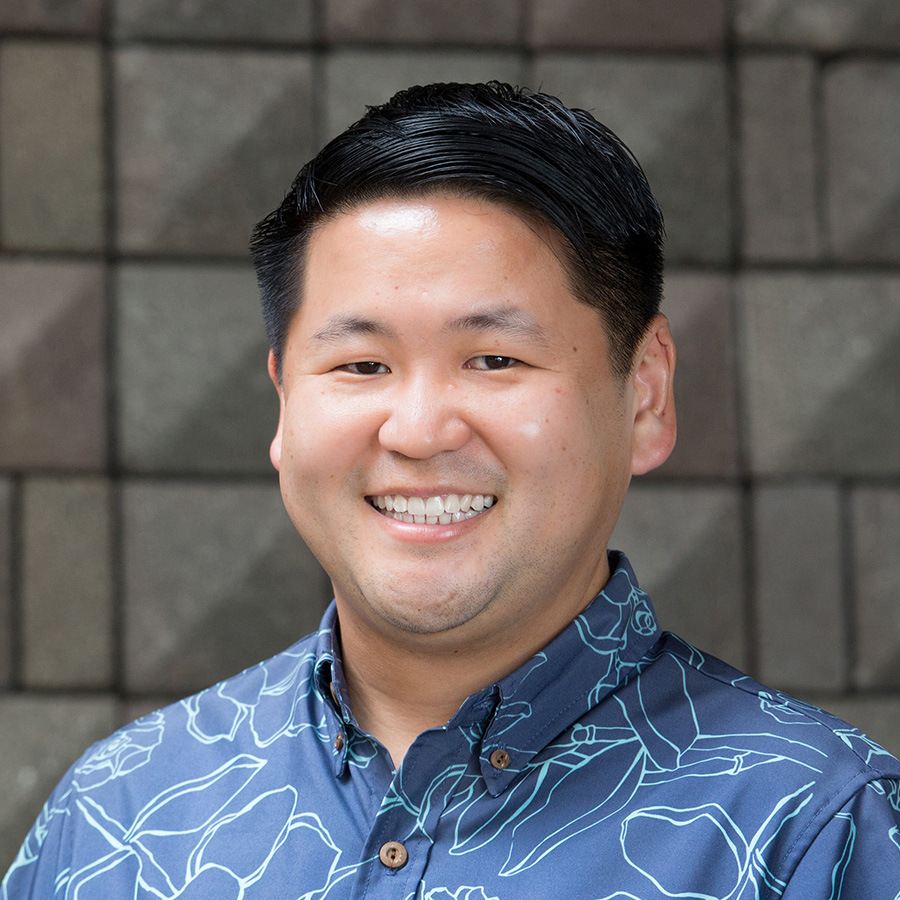
Living and working on Maui provides a daily reminder of how inflation and housing costs affect families, friends, and neighbors. As a fifth-generation Mauian, it is difficult to see classmates, colleagues, and relatives move to the continent because they feel priced out of their own home. Within my own family, balancing the high cost of everyday goods, utilities, and housing is a constant topic of discussion. These personal observations and the struggles shared by residents in my district directly inform my legislative priorities and underscore the urgency of our work at the State Capitol.
To restore optimism, the State must demonstrate tangible progress in lowering baseline living costs while simultaneously expanding meaningful career pathways. Local working families and young professionals need to see a predictable, stable future here. This requires accelerating the production of affordable housing so the dream of homeownership remains attainable. It also requires diversifying our economic foundation and strengthening local industries, such as sustainable agriculture and innovation sectors, ensuring that local talent can access high-paying jobs without being forced to relocate.
We must bridge the gap between local wages and the cost of living by encouraging higher-value industries and modernizing our economic infrastructure. I champion strategies that invest in public infrastructure to support sustainable economic growth, streamline regulatory processes that delay local business expansion, and leverage public-private partnerships to foster higher-wage sectors such as green technology and digital services. We must also support our foundational small businesses by reducing unnecessary administrative hurdles, allowing them to reinvest in their workforce and raise wages.
The State must align educational pathways directly with the emerging needs of our local economy. We can achieve this by expanding career and technical education in public high schools and reinforcing partnerships within the University of Hawaiʻi system. We must create robust apprenticeship programs in high-demand fields such as healthcare, clean energy, and public infrastructure. By funding targeted workforce training and offering incentives to businesses that hire and retain local graduates, we can ensure our youth transition smoothly into sustainable, living-wage careers.
As Vice Chair of the Senate Housing Committee, my focus is on increasing the housing supply by removing bureaucratic barriers. I championed legislation to exempt state-financed housing developments from redundant county council approvals and to expedite permitting processes. Furthermore, infrastructure is critical. I introduced the RISE Bonds amendment to allow counties to issue housing infrastructure growth bonds. By utilizing these tools to build required sewer, water, and road infrastructure, we can significantly lower the ultimate cost of home production.
We must implement structural changes to ensure our housing inventory serves those who live and work in Hawaiʻi. While some propose models that require massive State subsidies, I do not believe that is the most sustainable path forward. Instead, we must empower our counties to take the lead using the tools they already have at their disposal. Counties are best positioned to protect housing for residents through mechanisms such as shared appreciation models, strict deed restrictions, and 99-year leaseholds. By shifting the focus to these county-level strategies, we can effectively preserve long-term affordability, prevent speculative flipping, and guarantee that new and existing residential developments remain accessible to local working families rather than out-of-state investors.
To accelerate construction, we must prioritize transit-oriented development and optimize state-owned lands. I supported legislation establishing an affordable housing land inventory task force to identify viable development zones. We must also continue historic budget allocations for the Rental Housing Revolving Fund. By ensuring that state housing agencies and county planning departments work in tandem with expedited permitting laws, we can ensure projects break ground quickly and deliver inventory without unnecessary delays.
My grandfather founded the Kula Soil and Water Conservation District and the Farmers Exchange co-op to help local farmers succeed. To reduce everyday grocery expenses, we must decrease our reliance on imports by heavily investing in our local agricultural infrastructure. Providing water delivery systems, regional processing facilities, and supporting agricultural working groups will help local farmers scale their operations. Lowering the production and distribution costs for our farmers will directly translate to lower prices for families at the grocery store.
The State must continue to expand and fully fund universal preschool initiatives to ensure every four-year-old has access to early education. We should also increase the reach of childcare subsidies for working-class families and provide tax credits for childcare expenses. By investing in the childcare workforce through competitive wages and professional training pathways, we can increase the availability of safe, affordable care facilities, allowing parents to remain in the workforce with financial peace of mind.
While the State of Hawaiʻi does not directly collect or control real property tax revenue, our broader tax policy framework must account for how local tax structures drive market behavior and impact statewide affordability. A critical shift should focus on encouraging our counties to utilize their real property taxation powers much more strategically to curb housing speculation.
Taxation is a powerful tool to shape behavior. If a county intends to discourage the proliferation of short-term vacation rentals, those properties should face significantly higher tax rates. Conversely, to reduce the number of empty homes, counties should provide robust tax incentives for owners who convert units into long-term rentals for local residents. Furthermore, second properties that remain underutilized should be taxed at a premium rate.
Although the State cannot directly dictate county-level real property tax adjustments, we must acknowledge that local speculation heavily influences statewide cost of living. By aligning our overall tax philosophy to penalize speculative behavior and reward long-term housing solutions, we can better protect our limited housing inventory for local working families.
Hawaiʻi is often perceived as challenging due to complex regulatory frameworks, high compliance costs, and lengthy permitting delays across multiple levels of government. To improve these conditions, we must modernize and digitize government services to speed up processing times. We should also review and eliminate outdated regulations that place an undue burden on small businesses. Providing targeted tax incentives and supporting local business hubs will foster a more resilient and welcoming commercial environment.
To restore public trust, I support comprehensive campaign finance reforms and stricter ethics regulations for public officials. As a member of the Government Operations Committee, I advocate for increased transparency through open-data initiatives and enhanced access to legislative proceedings. We must also modernize government information technology infrastructure to improve efficiency and service delivery. By ensuring that government operations are transparent and accessible, we can foster accountability and rebuild confidence among our residents.