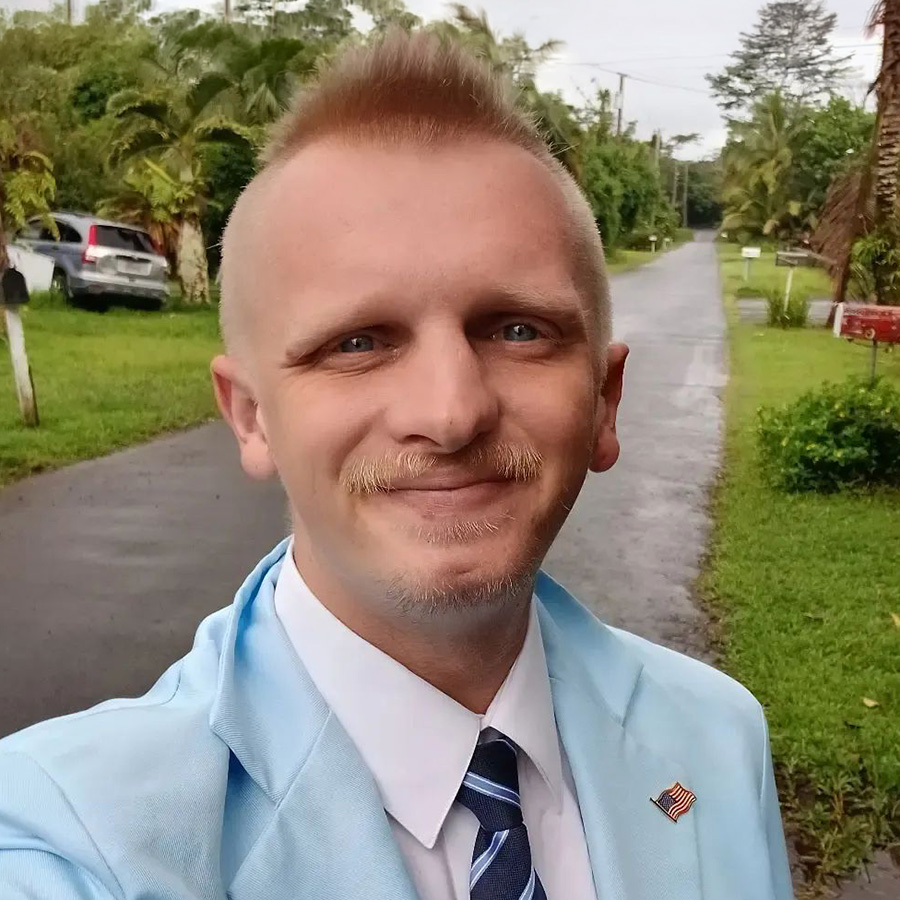
Well being on SNAP & SSI. It has made life for me and my family really difficult & not being able to get certain things that we used to has made life really hard not just for myself but also for my parents.
Transparency is one, Actually doing what you say is very important so if you talk about lowering cost of living. Then do it dont just preach it period.
To address the root causes of lagging opportunity and low wages, my legislative strategy will prioritize two main pillars: direct support for local families and fiscal transparency.
Cost-of-Living Adjustments for SNAP/EBT: The current EBT benefit levels are failing to keep pace with the hyper-inflated cost of living in Hawaiʻi, leaving families of three struggling with insufficient aid. I will champion legislation that mandates an annual cost-of-living adjustment (COLA) for these benefits, mirroring the mechanisms used for SSI, to ensure support remains relevant to today's economic reality.
Fiscal Accountability and Resource Allocation: We must fundamentally reassess our state’s budget. I will push for a rigorous audit of taxpayer fund allocation to answer two critical questions: Where are these funds currently going, and why are they not being prioritized to directly support the families who need them most? My goal is to ensure that taxpayer money is utilized to lower the cost of living rather than being lost in bureaucratic inefficiencies.
To bridge the gap between our emerging workforce and the availability of living-wage jobs, the State must pursue a dual strategy: modernizing our education-to-career pipelines and actively diversifying our local economy.
Expanding Career and Technical Education (CTE): We must strengthen partnerships between public schools (K-12), community colleges, and local industries. By expanding vocational training, paid apprenticeships, and dual-credit programs, we can ensure our keiki graduate with the specific, high-demand skills local employers are currently struggling to find.
Targeting High-Growth, Sustainable Industries: To close the projected 70,000-job deficit, the State must look beyond a tourism-dependent economy. We need to incentivize growth in sectors that inherently offer living wages and long-term stability, such as renewable energy, sustainable agriculture, technology, and specialized healthcare.
Incentivizing Local Hiring: I will support tax incentives and state grant programs for local small businesses and innovators that commit to hiring Hawaii-based youth and providing them with upwardly mobile career pathways.
To lower housing costs, the State must focus on building affordable workforce housing, cutting down on government delays, and fixing the infrastructure that holds development back. I am actively championing The Puna Attainable Housing & Infrastructure Act to do exactly that through several practical solutions:
Building Crucial Infrastructure first: You cannot build affordable neighborhoods without roads and water systems. My bill funds community-scale wastewater systems and improves road networks between Pāhoa, Keaʻau, and Hawaiian Paradise Park. This lowers the actual "transportation cost" of housing and makes the land viable for affordable housing projects.
Cutting Red Tape and Fast-Tracking Permits: It takes too long to get approvals. My bill streamlines the process by letting Hawaii County approve boundary changes up to 25 acres for 100% affordable projects, and it forces local agencies to process these permits within 120 days.
Prioritizing Local "Hometown Heroes": We need to protect local families. My bill creates a housing tax credit for developers who build for residents earning between 60% and 120% of the Area Median Income (AMI), and it gives local residents, teachers, nurses, and first responders the "right of first refusal" so they get first pick.
Fixing High Insurance Costs: High insurance premiums in Lava Zones 1 and 2 are a massive barrier to housing. My bill sets up a task force to create a State-Backed Insurance Pool specifically for affordable housing projects in Puna, keeping costs down for families.
To protect our housing market from being overtaken by out-of-state investors and speculative buyers, we must actively prioritize local buyers and lower the financial burden on local families so they can compete. I am addressing this by pushing specific protections in my legislative proposals:
Enforcing a 'Right of First Refusal' for Locals: My bill, The Puna Attainable Housing & Infrastructure Act, includes a strict local preference rule. For any newly built workforce housing, local residents and essential workers—like our teachers, nurses, and first responders who have lived in the district for at least three consecutive years—get the very first pick before out-of-state buyers can even make an offer.
Restricting New Developments to Local Income Levels: We must stop building luxury homes that only wealthy outsiders can afford. My housing bill provides tax credits to developers, but only if the housing units they build are strictly restricted to residents earning local wages (between 60% and 120% of the Area Median Income).
Lowering Taxes for Local Families and Businesses: To help local families keep more of their hard-earned money to afford housing, my Freedom for Puna Act cuts the General Excise Tax (GET) by 10% for local, family-owned small businesses. This keeps local money in local pockets.
Direct Community Control Over Infrastructure Funding: Out-of-state investors succeed when local infrastructure is ignored. My Freedom for Puna Act shifts 15% of state tax revenues generated in our district into a fund controlled directly by local voters. This allows us to vote directly on funding the roads, emergency routes, and community projects that make our neighborhoods strong, stable, and resilient against outside speculation.
To stop our families from being priced out and forced to leave, the State must stop talking and start building immediately. We can accelerate construction quickly by cutting government gridlock and funding the foundations for new neighborhoods. I will implement these fast-track solutions from my legislative plans:
* Enforcing a Strict 120-Day 'Shot-Clock' for Permits: Long county and state delays drive up housing costs and stall construction. My bill, The Puna Attainable Housing & Infrastructure Act, fixes this by forcing local county agencies to process consolidated housing permits within a strict 120 days, or the project receives automatic extensions of state infrastructure credits to keep it moving.
* Giving Counties More Power to Approve Housing Sites: Right now, state boundary rules slow down local planning. My housing bill expands the limits of Chapter 205, HRS, to let Hawaii County directly approve district boundary changes up to 25 acres (up from the current 15-acre limit)—as long as 100% of the homes built are designated for affordable or workforce housing.
* Funding Immediate Road and Water Foundations: Developers can't build homes fast if there is no running water or road access. My bill injects $75 million into community-scale wastewater systems and prioritizes key road connectivity and emergency routes. This builds the critical framework needed to make land instantly viable for state-subsidized workforce housing.
* Providing Fast Low-Interest Funding for Workforce Projects: To get shovels in the ground quickly, my bill appropriates $15 million directly to the Hawaii Housing Finance and Development Corporation (HHFDC) to supply low-interest loans tailored specifically for local workforce housing projects.
To lower everyday living expenses like groceries and combat food insecurity, we need to immediately lower the cost of doing business for local shops while putting more money back into the hands of local families. I am tackling this through direct relief and solutions from my legislative proposals:
Cutting Taxes on Everyday Essentials and Small Businesses: Hawaii's high grocery costs are worsened by taxes passed down to consumers. My bill, the Freedom for Puna Act, provides a 10% General Excise Tax (GET) reduction for local, family-owned small businesses. This tax relief helps local mom-and-pop grocery stores keep their shelves stocked without being forced to raise prices on working families.
Funding Local Agricultural Sustainability: Relying almost entirely on imported food drives up our grocery bills. My Freedom for Puna Act establishes a direct voting process for local residents to fund and prioritize community projects. This includes dedicated funding grants for local agricultural sustainability, allowing us to grow more of our own food locally and lower shipping-related food costs.
Modernizing EBT and SNAP Benefits: Current assistance levels do not match the real cost of living in Hawaii. I will champion legislation to increase EBT benefit levels at least once a year—similar to how Social Security (SSI) benefits automatically adjust for inflation—to ensure families can always afford basic, nutritious meals.
Education is a lifelong pipeline that affects the whole family—no parent should have to choose between paying for their child's early education or investing in their own advanced schooling and career training. To make education affordable for both generations, the State must support our educators and lower costs across the board. I am pushing for this through several direct solutions:
Protecting the Teachers Who Educate Our Communities: We cannot have quality classrooms for our kids or adults without keeping educators in Hawaii. My bill, The Puna Attainable Housing & Infrastructure Act, protects essential workers—specifically including local teachers—by giving them first pick for affordable workforce housing so they can afford to live in the communities where they teach.
Cutting Taxes for Local Early Childhood Programs: For our youngest learners, childcare centers and preschools are a necessity so parents can go to work or attend their own college classes. My bill, the Freedom for Puna Act, cuts the General Excise Tax (GET) by 10% for local, family-owned small businesses, directly helping local daycares lower their overhead costs and pass those savings on to parents.
Expanding Free State-Funded Universal Preschool: To give parents the financial breathing room to return to work or pursue higher education degrees themselves, the State must expand free public preschool options. When a child's early education is fully funded, it frees up household income for parents to invest in their own career training and advancement.
Creating Free, Accessible Career Pathways for Adults: Education shouldn't stop at high school, and it shouldn't bankrupt adults trying to better their lives. I support expanding tuition-free certificate and workforce training programs at our community colleges, ensuring parents can learn new skills and secure living-wage jobs without taking on crushing student debt.
If I could change one aspect of Hawaiʻi’s tax system to improve affordability, it would be reducing the General Excise Tax (GET) burden on local, community-based businesses and families. The GET acts like a hidden tax on everyday essentials, driving up prices on food, services, and basic goods. I am actively fighting to fix this by championing The Freedom for Puna Act:
A 10% GET Reduction for Local Small Businesses: My bill creates a 10% tax reduction on the GET specifically tailored for eligible small and family-owned businesses that are independently operated and have gross annual receipts of $1.5 million or less.
Why This Improves Affordability: When we lower taxes for our local mom-and-pop shops, grocery stores, and service providers, it slashes their overhead costs. This allows them to lower prices and pass those direct savings straight down to working families.
Giving Voters Direct Control Over State Tax Dollars: True tax fairness means having a say in where your money goes. My bill takes 15% of all state tax revenues generated within our district and shifts them into a Participatory Fund, allowing local registered voters to directly choose and prioritize the local road, safety, and community projects that we actually need.
Hawaiʻi is seen as a difficult place to do business because local owners are hit from two sides: high state taxes and a lack of support for basic community safety. To move our state off the bottom of the rankings, we must lower the financial burden on local employers while ensuring our communities are safe places to operate. I am fighting for these exact changes through my legislative platform:
Cutting the Tax Burden on Mom-and-Pop Shops: High operational costs make it incredibly hard for local businesses to survive. My bill, the Freedom for Puna Act, directly addresses this by providing a 10% General Excise Tax (GET) reduction for independently owned and operated small businesses with gross annual receipts of $1,500,000 or less. This keeps more money in the business so they can grow and hire locally.
Speeding Up the Permitting Process: Long government delays stop new businesses from opening and keep existing ones from expanding. My bill, The Puna Attainable Housing & Infrastructure Act, shows my commitment to cutting red tape by enforcing a strict 120-day 'shot-clock' on county agency permits, a standard we need to bring to all local business permitting to eliminate bureaucratic gridlock.
Protecting Our Communities and Workplaces from Violence: A good business climate requires a safe environment for employees, customers, and owners. To stop political harassment and workplace disruptions, my proposal, The PV Act, establishes strict financial penalties and mandatory minimum sentences for offenders who target individuals or disrupt lawful community activities based on political stances or affiliations.
Ensuring Ultimate Safety for Our Families and Future Workforce: Local businesses thrive when families feel safe sending their kids to school and youth centers. My proposal, The Child Protection and Maximum Sentencing Act, cracks down on the exploitation of minors, enforces mandatory maximum sentences for violent crimes against children, and expands 'stay-away' buffer zones around schools and parks to 1,000 feet. Protecting our keiki ensures a stable, strong foundation for our future workforce and local economy.
To rebuild trust and improve accountability, government must give power back to the people and stop hiding behind delays. I am pushing for these direct reforms from my legislative proposals:
Giving Voters Direct Control of Tax Dollars: Trust is built by giving people a voice. My Freedom for Puna Act puts 15% of state tax revenues from our district into a fund where local voters directly choose and prioritize the community projects that get funded.
Enforcing Strict Deadlines on Agencies: Government must be efficient. My Puna Attainable Housing & Infrastructure Act cuts through bureaucratic games by creating a 120-day 'shot-clock' for permit decisions, holding state and local agencies accountable to a clear timeline.
Mandatory Audits and Public Reporting: We need to know exactly where taxpayer money goes. I support strict, annual state audits and transparent public reports detailing government spending, project completion rates, and department performance so the public can see the results.
Related Candidates

Tamlyn (Tam) Hunt
House District 4,No Response Received
Democrat
Greggor Ilagan
House District 4,No Response Received
Democrat