Sheila Walker
Office: House District 11
Party: Republican
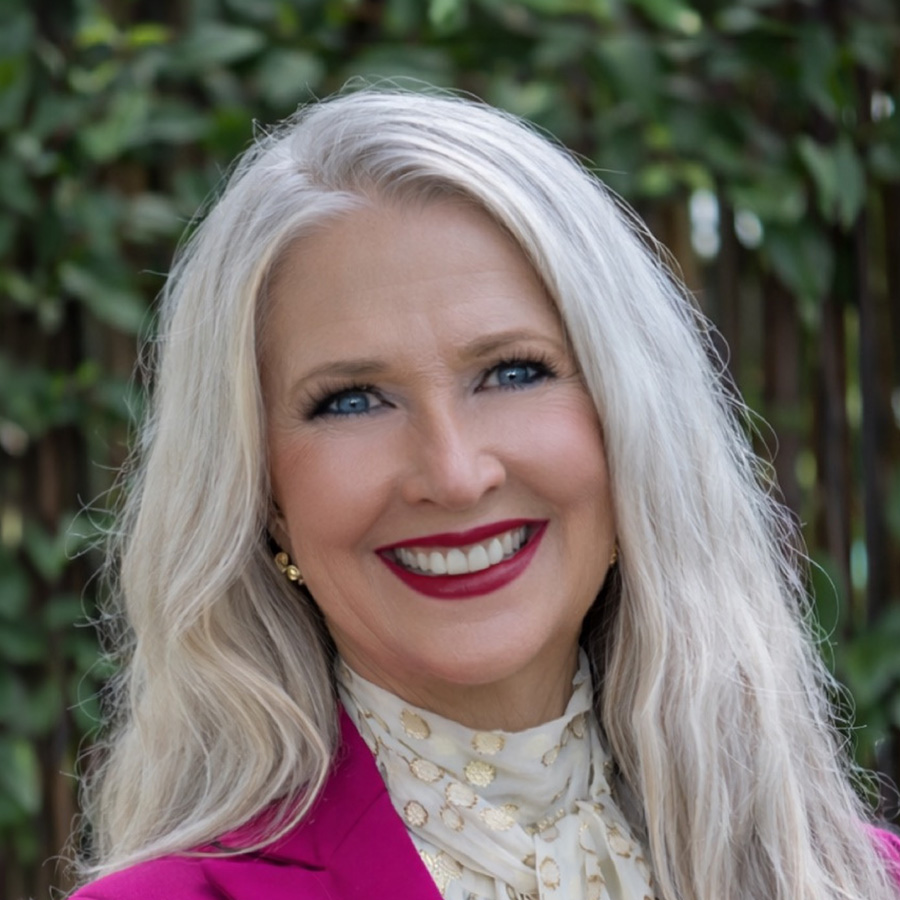
As a renter, I experience housing insecurity every day. Every year I wonder whether my landlord will raise my rent, by how much, or whether my lease will even be renewed. That uncertainty creates constant stress and anxiety. Recently, my landlord mentioned that I could break my lease if I wanted to move, which left me concerned that I may be asked to leave when my current lease ends. I’ve lived in the same home for six years, yet I still don’t feel secure.
No one should have to live with that kind of uncertainty. Housing isn’t just about having a roof over your head—it’s about stability, peace of mind, and the ability to plan for the future. I can only imagine how much more difficult this is for families with children who may have to change schools, leave friends behind, or even move to another island or the mainland simply because they can no longer afford to stay. Everyone deserves the security of knowing they have a stable place to call home.
Throughout history, people have migrated in search of better opportunities. Hawaiʻi will never stop that entirely, but we should be doing everything we can to make staying here the better choice. If we want to remain the Aloha State and keep our families together, we must create an environment where local residents can build a future.
States like Alaska have adopted tax incentives and other policies to encourage residents to stay. Hawaiʻi should examine similar approaches, including targeted tax relief for working families and small businesses. We must also protect local homeownership by limiting speculative purchases that drive up housing costs and ensuring local residents have a fair opportunity to own property. Our goal should be to make Hawaiʻi a place where our children and grandchildren can afford to live, work, and raise their own families.
Raising the minimum wage alone is not enough. We must address the underlying reasons why local families continue to struggle. I support policies that encourage higher-paying private-sector jobs by reducing unnecessary regulations, streamlining permitting, and making Hawaiʻi a better place to start and grow a business. We also need to keep Hawaiʻi local by limiting foreign ownership of residential property and discouraging speculative investment that drives up housing costs. I support tax relief for working families and incentives that help local residents purchase homes, build businesses, and remain in Hawaiʻi. Our goal should be to create an economy where people can earn a good living, afford to stay, and raise the next generation here.
Hawaii needs to rebuild a strong skilled workforce by investing in trade schools, apprenticeships, and career and technical education. We need to train more local plumbers, electricians, carpenters, welders, auto body technicians, mechanics, chefs, seamstresses, hair stylists, healthcare workers, and other skilled trades so we are not forced to import so much of our workforce from the mainland. College is important for professions such as accounting, engineering, education, and law, but skilled trades are equally essential to building and maintaining healthy communities.
Small businesses are the backbone of Hawaii’s economy and create many of the career opportunities our young people need. Unfortunately, many local businesses have been driven out by COVID-era mandates, the Maui fires, excessive regulations, high taxes, and the rising cost of commercial space. We need policies that help locally owned businesses grow and hire local workers. By supporting entrepreneurship, expanding vocational education, and creating an environment where businesses can succeed, we can provide more career opportunities that allow Hawaii’s next generation to build successful lives without leaving the islands.
I am one of those statistics. As a single renter on Maui, I spend nearly half of my income on housing. Finding a small ʻohana rental for under $2,500 a month is becoming increasingly difficult.
We need to increase the supply of housing while also creating more opportunities for people to earn higher incomes. I do not support broad rent control, but I do believe there should be reasonable protections against excessive rent increases, such as limiting increases to once a year by a modest percentage unless significant improvements have been made to the property. This provides renters with greater stability while respecting the rights of property owners.
The long-term solution is not to create dependency through government subsidies or continually raise the minimum wage. Instead, we should focus on growing our economy, supporting small businesses, expanding vocational training and high-paying career opportunities, reducing unnecessary regulations that drive up construction costs, and making it easier to build attainable housing for local residents. The goal should be to empower people to succeed through opportunity, initiative, and hard work—not government dependence.
I don’t believe we should solve one housing problem by creating another. Eliminating legal short-term rentals owned by local families will not fix Hawaiʻi’s housing crisis, but it will hurt many residents who rely on that income. We should focus on speculative investment, increasing the supply of attainable housing, streamlining permitting, and giving local residents greater opportunities to purchase homes before outside investors.
I believe we need to take a closer look at why local families are struggling before assuming that simply building tens of thousands of new units is the answer. Hawaiʻi’s population has been declining, yet housing remains increasingly unattainable. That suggests the problem is more complex than supply alone.
My priorities would be to keep homes in the hands of local residents by limiting speculative and foreign investment, protecting property rights, supporting a healthy mix of long-term and short-term rentals, streamlining permitting for appropriately located housing, and reducing unnecessary regulations that drive up construction costs. We also need to strengthen our economy by creating better-paying jobs so local families can afford to live here. Housing policy should focus on making homeownership and stable housing attainable for Hawaiʻi’s residents—not simply building more high-density apartment complexes without addressing the underlying causes.
The biggest reason groceries cost so much in Hawaiʻi is the high cost of shipping. I support repealing the Jones Act so Hawaiʻi can purchase goods from the most efficient and affordable shipping providers instead of being restricted to U.S.-built and flagged vessels. Lower shipping costs would help reduce the price of food and other everyday necessities.
We also need to become more self-sufficient by producing more of our own food. Hawaiʻi has the land, climate, and natural resources to feed far more of our population than we do today. By supporting local farmers, reducing unnecessary regulations, and protecting agricultural land, we can strengthen food security while keeping more food dollars here at home.
The biggest challenge for young families is the high cost of childcare. Rather than creating more government bureaucracy, we should make it easier for local providers to open and operate by reducing unnecessary regulations and permitting delays while maintaining strong safety standards. We should also expand preschool and trade opportunities for those interested in early childhood education to increase the number of qualified caregivers. For K-12 education, I support free school meals for every child and believe parents should have educational choices that best fit their children’s needs. The best long-term solution is to lower Hawaii’s overall cost of living and create better-paying jobs so families can afford to thrive.
My long-term goal is to dramatically reduce Hawaiʻi’s tax burden. Government should live within its means, eliminate waste, and stop asking working families to fund an ever-growing bureaucracy. The more money people keep in their own pockets, the more affordable Hawaiʻi becomes.
Hawaiʻi is one of the most expensive places in America to live and operate a business. High housing costs make it difficult for employers to recruit and retain talented workers, from doctors and nurses to engineers, teachers, and skilled tradespeople. Many professionals compare Hawaiʻi to states like Texas, where they can buy a beautiful home, enjoy a lower cost of living, and keep more of what they earn. Families also consider the quality of our public schools, and many feel compelled to pay for private education, adding another major expense.
To improve Hawaiʻi’s business climate, we need to reduce unnecessary regulations, lower the cost of doing business, streamline permitting, and make housing more attainable. We should invest in stronger career and technical education, support locally owned small businesses, and encourage innovation. Maui’s growing technology park presents an opportunity to attract technology companies and entrepreneurs from places like Silicon Valley and Austin by offering a high quality of life, a skilled workforce, and a more business-friendly environment. By creating better opportunities instead of more bureaucracy, we can grow our economy while keeping local families here.
Public trust is earned through transparency, accountability, and results. I support stronger ethics laws, greater transparency in government spending and contracts, and making it easier for the public to access information and participate in the legislative process. Every bill should include a fiscal impact statement so taxpayers understand the true cost before it becomes law. I also support regular performance audits of government programs to ensure taxpayer dollars are being spent wisely. Elected officials should be accessible to their constituents, hold regular public meetings, and be held accountable for their promises. Government works best when it is open, honest, fiscally responsible, and remembers that it serves the people—not the other way around.
Related Candidates

Terez Amato
House District 11,No Response Received
Democrat